Japanese Selvedge Denim Fabric: Quality, Types & Uses
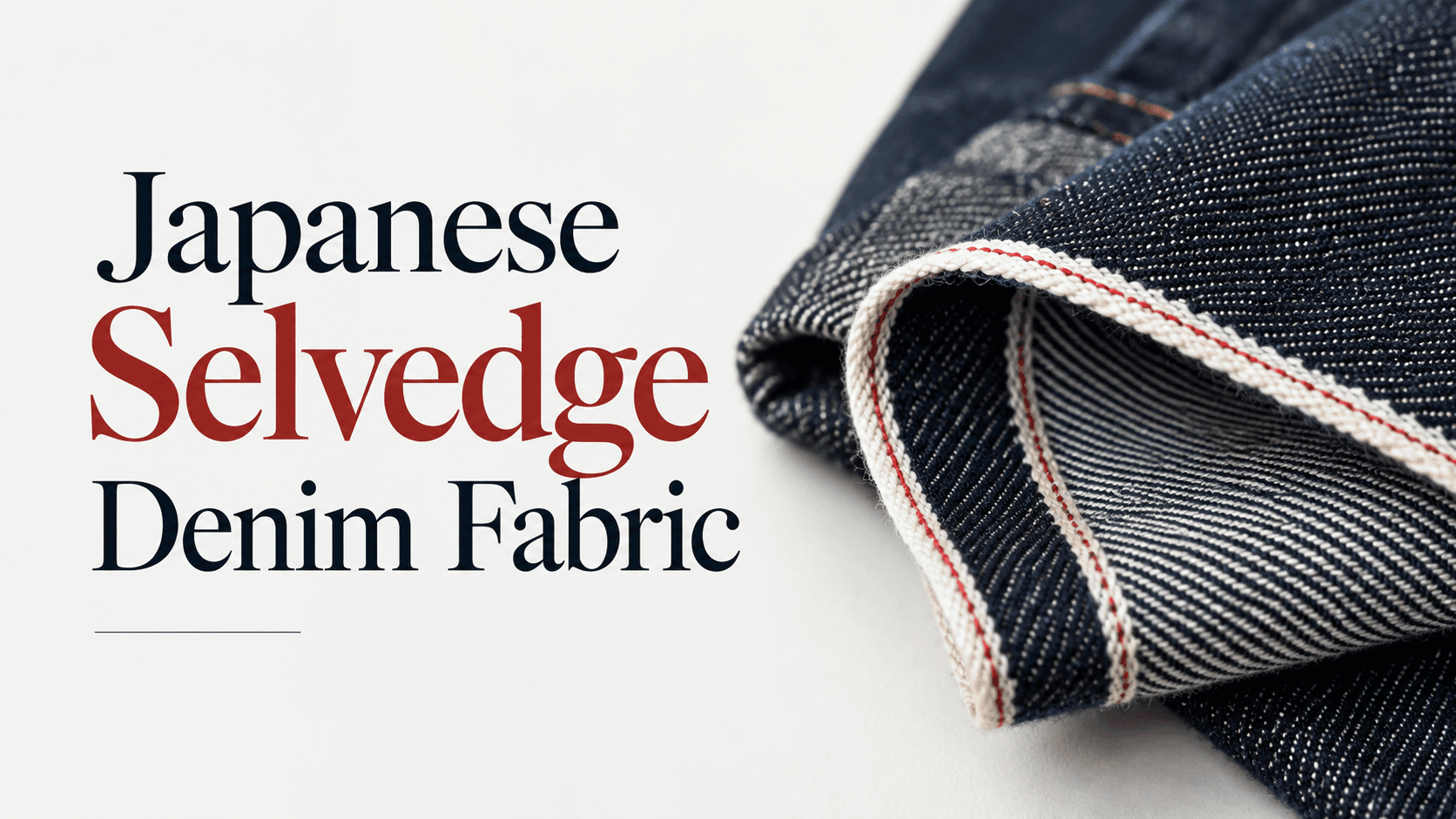
Table of contents
- What Is Japanese Selvedge Denim Fabric?
- What Makes Japanese Selvedge Denim Fabric Unique?
- Traditional Shuttle Loom Weaving
- Premium Cotton and Yarn Selection
- Distinctive Indigo Dyeing Techniques
- Unique Texture and Natural Fading
- Craftsmanship and Quality Control
- How Is Japanese Selvedge Denim Fabric Made?
- Cotton selection
- Spinning
- Yarn preparation
- Dyeing
- Weaving
- Finishing
- Inspection
- Types of Japanese Selvedge Denim Fabric
- Raw Japanese Selvedge Denim
- Sanforized Selvedge Denim
- Unsanforized Selvedge Denim
- Black Japanese Selvedge Denim
- Stretch Selvedge Denim
- Slub Selvedge Denim
- Japanese Selvedge Denim Fabric Weight Guide
- 13 oz Japanese Selvedge Denim Fabric
- 14 oz Japanese Selvedge Denim Fabric
- 16 oz Japanese Selvedge Denim Fabric
- 18 oz Japanese Selvedge Denim Fabric
- What Is Japanese Selvedge Denim Fabric Used For?
- Premium Denim Jeans
- Denim Jackets
- Denim Shirts and Overshirts
- Designer and Luxury Fashion Collections
- Why Is Japanese Selvedge Denim Fabric Expensive?
- How to Care for Japanese Selvedge Denim Fabric
- Japanese Selvedge Denim Fabric Online in India
- Japanese Selvedge Denim Fabric Online in France
- FAQs
- What is Japanese selvedge denim fabric?
- Why is Japanese selvedge denim so popular?
- Is Japanese selvedge denim better than regular denim?
- What is the difference between raw denim and selvedge denim?
- What is 14 oz Japanese selvedge denim fabric?
- Where can I buy Japanese selvedge denim fabric by the yard?
- Is Japanese selvedge denim available wholesale?
- What is the difference between selvedge and non-selvedge denim?
- Is black Japanese selvedge denim different from indigo denim?
- How much fabric is needed to make a pair of jeans?
- Conclusion
Japanese selvedge denim fabric is renowned for its distinctive woven edges, superior texture, and the unique character it develops with wear. For denim enthusiasts, it offers the opportunity to wear a fabric that becomes increasingly special and unique over time. For designers and manufacturers. it provides a premium fabric option available in a variety of weights, yarns, colors, and finishes.
However, the terms "Japanese," "selvedge," and "raw" are often used as if they all mean the same thing. But that is not the case. Understanding these distinctions is crucial when selecting fabric to create a collection of jeans, jackets, shirts, accessories or other garments.
This guide explains what Japanese selvedge denim fabric is, how it is made, its main types. how fabric weight affects the garment, and what to consider when purchasing it by the yard by the roll or wholesale.
What Is Japanese Selvedge Denim Fabric?
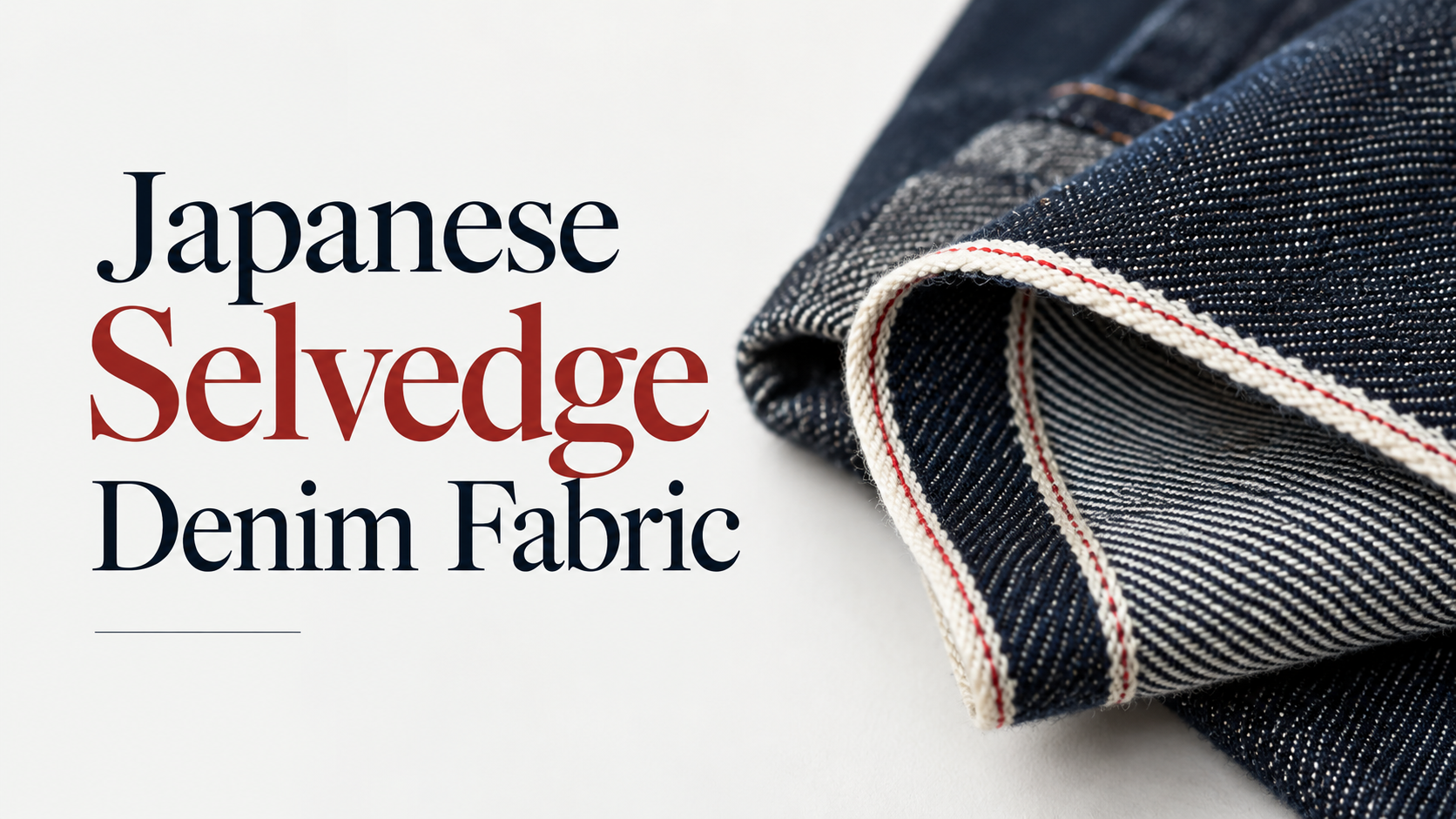
Selvedge denim is denim woven with a finished edge during the weaving process itself. The term "selvedge" is derived from "self-edge" referring to an edge that does not require a separate finishing process to prevent it from unraveling.
Traditional selvedge denim is typically woven on a shuttle loom. A shuttle carries the weft thread back and forth across the warp threads creating a continuous and securely finished edge on both sides of the fabric.
This edge is often identified by a colored line running along the selvedge (the edge of the fabric). Red is perhaps the most common color but manufacturers may also use white, blue, green, gold, or other colors.
Japanese selvedge denim fabric refers specifically to selvedge denim produced in Japan. Japanese mills are known for creating denim that utilizes a variety of yarns, dyeing techniques, textures, weights, and finishing methods.
"Selvedge" does not automatically mean "raw" Selvedge fabric can be raw, washed, sanforized, unsanforized, rigid, or stretch. it depends on how it is manufactured and finished.
What Makes Japanese Selvedge Denim Fabric Unique?
There is no single formula for Japanese denim. Two fabrics produced at different Japanese mills can look and feel completely different. However, certain characteristics associated with Japanese selvedge production are commonly observed.
Traditional Shuttle Loom Weaving
A distinctive characteristic of traditional selvedge denim is its narrow shuttle-loom construction. Unlike wide modern weaving systems, the shuttle loom continuously carries the weft thread from one side of the fabric to the other and back again.
This results in self-finished edges giving rise to the name 'selvedge'. The surface of shuttle-loom denim may also exhibit slight irregularities. Depending on the yarn, loom setup, tension, and finishing these variations can contribute to the textured look prized in many premium denim fabrics.
Premium Cotton and Yarn Selection
The character of denim is determined even before weaving. Manufacturers can select different cotton varieties, fiber lengths, yarn counts, spinning techniques and yarn combinations based on the desired results.
In some fabrics, uniform threads are used to achieve a smooth surface whereas in others uneven threads are deliberately used to create a distinct visible texture.
The warp and weft can also be prepared in different ways. For example classic indigo denim typically uses indigo-dyed warp threads combined with light, undyed or differently colored weft threads.
Distinctive Indigo Dyeing Techniques
Many Japanese selvedge denims use indigo-dyed warp threads. Rope dyeing is a common industrial method. Bundles of yarn are repeatedly dipped into an indigo dye solution and exposed to air between each immersion. The indigo develops its blue color through oxidation.
Unique Texture and Natural Fading
Texture is one of the reasons why people try Japanese denim. Depending on its construction Japanese selvedge denim can be smooth, fuzzy, nappy, slubby, tightly woven, loosely textured, stiff or quite soft.
Craftsmanship and Quality Control
In the process of creating premium Japanese denim, careful decisions are made at every stage from yarn preparation and dyeing to weaving, finishing, and inspection. This does not mean that every Japanese selvedge fabric is automatically superior to every denim made elsewhere. High-quality denim is produced in many countries.
How Is Japanese Selvedge Denim Fabric Made?
Manufacturing methods may vary across different mills but the general process can be understood in several stages.
Cotton selection
This process begins with selecting cotton based on desired fiber characteristics, cost, texture, and performance.
Spinning
Cotton fibers are spun to create yarn. The structure of the yarn plays a crucial role in determining whether the finished fabric will appear clean and uniform or exhibit texture and irregularities.
Yarn preparation
Warp and weft yarns are prepared for weaving. Denim typically uses colored warp yarns and light-colored weft yarns, although various modifications are possible.
Dyeing
For traditional blue denim the warp yarns are dyed with indigo. Rope dyeing is primarily associated with the production of premium denim although manufacturers may employ different methods depending on the fabric being produced.
Weaving
To achieve the traditional selvedge construction the prepared yarns are woven on a shuttle loom. The continuous movement of the weft (horizontal threads) creates the fabric's distinctive self-finished edge.
Denim typically employs a twill weave resulting in a clearly visible diagonal pattern on the fabric.
Finishing
After weaving, denim can be left without further processing or subjected to additional finishing. Depending on the product, finishing can influence shrinkage, softness, surface texture, stability, and ease of garment construction.
Inspection
Before the fabric is supplied for garment manufacturing or sold as-is it is inspected for consistent quality and the absence of major defects. The result is that there is no single standard "Japanese denim" rather, it is a vast family of fabrics each with its own distinct characteristics.
Types of Japanese Selvedge Denim Fabric
Understanding common terminology related to denim makes choosing the fabric much easier.
Raw Japanese Selvedge Denim
'Raw denim' generally refers to denim that has not undergone extensive washing or distressing processes used to create a 'pre-faded' or worn-in look. Initially, it appears darker and uniform in color but with use over time, marks or signs of wear become clearly visible.
'Raw Japanese selvedge denim' is quite popular for jeans and jackets because its distinctive feature is the way the color gradually fades. Remember that the term 'raw' refers to the processing state of the fabric, whereas 'selvedge' refers to its woven edge. These are related concepts, but they cannot be used interchangeably.
Sanforized Selvedge Denim
Sanforization is a controlled pre-shrinking process used to reduce residual shrinkage in fabric. Sanforized Japanese selvedge denim is useful when designers and customers want to easily predict the size after washing. With use, it too can develop fades and a distinctive look but managing changes in its shape is generally easier compared to denim sold without being pre-shrunk.
Unsanforized Selvedge Denim
Unsanforized denim has not undergone the sanforization process. For this reason it can shrink significantly when first exposed to water. The degree of shrinkage may vary depending on the fabric and its processing therefore the supplier's technical specifications should be used for pattern making and sizing.
Black Japanese Selvedge Denim
Black Japanese selvedge denim is an alternative to traditional indigo denim. Depending on the manufacturing process this fabric may feature black warp threads combined with a lighter-colored weft or black threads on both sides. These variations result in distinct ways the fabric's appearance evolves over time.
Black selvedge denim is an excellent choice for jeans, jackets workwear-style garments, and contemporary monochrome collections.
Stretch Selvedge Denim
Traditional selvedge denim is typically made from rigid cotton but stretch versions are also available.
In stretch selvedge denim elastic is incorporated into the fabric structure to enhance flexibility and comfort.
This can be beneficial for slim-fitting jeans and garments that require ease of movement. When purchasing stretch Japanese selvedge denim do not assume that all stretch fabrics perform the same way instead, check the specific fiber composition and stretch characteristics.
Slub Selvedge Denim
The thickness of slub yarn is intentionally varied. When used in denim these variations can create an uneven, textured surface. As the fabric fades this texture may become even more apparent.
Slub Japanese selvedge denim is often chosen when designers want the fabric itself to have a distinctive look, without having to rely heavily on washes, prints, or decorative treatments.
Japanese Selvedge Denim Fabric Weight Guide
Denim weight is typically measured in 'ounces per square yard' (oz). Weight determines how the denim feels, how it drapes, how it molds with use, and its suitability for different garments. However, this should not be considered the sole measure of quality heavier denim does not necessarily mean better denim.
13 oz Japanese Selvedge Denim Fabric
The 13-ounce fabric strikes a good balance between structure and ease of wear. It is sturdy enough for classic jeans, yet generally more comfortable to wear than very heavy denim. It can also be used for jackets and other everyday denim garments.
14 oz Japanese Selvedge Denim Fabric
14-ounce denim is a popular and balanced choice for jeans. It gives jeans a good structure without being overly heavy. For designers aiming to create premium, versatile jeans, 14-ounce Japanese selvedge denim is often a practical choice.
16 oz Japanese Selvedge Denim Fabric
16-ounce denim clearly feels heavier and more robust in texture. It is excellent for sturdy jeans and workwear style jackets. When constructing garments from this fabric one must also account for its increased thickness particularly at seams and areas where multiple layers of fabric overlap.
18 oz Japanese Selvedge Denim Fabric
An 18-ounce (oz) fabric falls into the category of heavy-duty denim. Garments made from this material are quite heavy and durable, and they may require a longer "break-in period" to become comfortable to wear. Cutting and sewing such heavy fabric can also be challenging, requiring appropriate industrial equipment for production. When selecting the weight, do not simply opt for the highest number; instead, consider the intended use of the fabric and who will be wearing it.
What Is Japanese Selvedge Denim Fabric Used For?
Japanese selvedge denim fabric is widely used in premium apparel and fashion products due to its distinctive texture, durability, and traditional weaving techniques. Its versatility allows it to be used for everything from everyday jeans to high-end designer wear. Depending on the fabric's weight, weave, and finish, it can be utilized for a wide range of garments and accessories.
Premium Denim Jeans
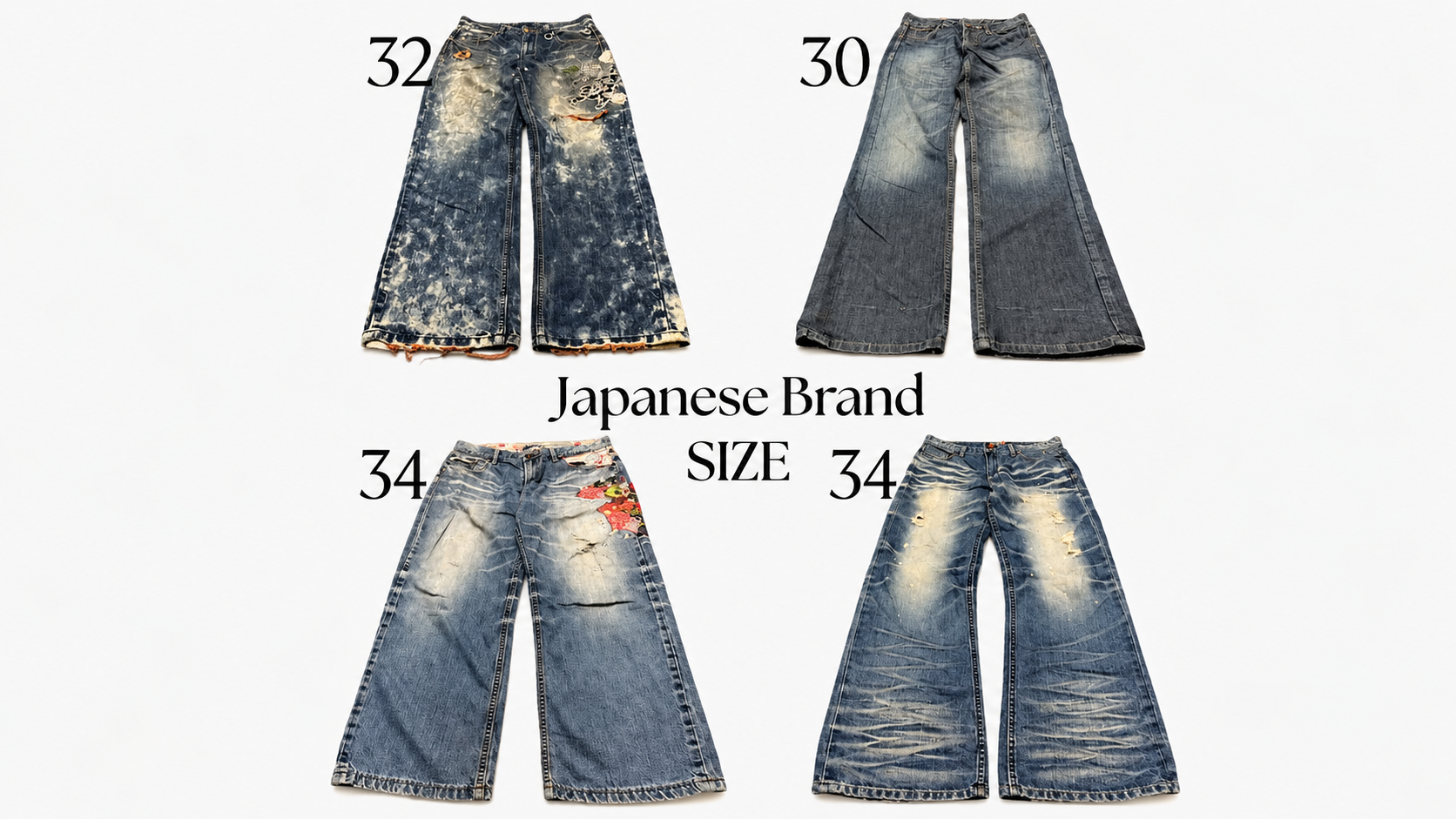
Japanese selvedge denim is most popularly used to craft premium jeans. This fabric is prized for its sturdy feel, distinctive fading patterns, and its ability to develop a unique look over time. Raw (unwashed) Japanese selvedge denim is highly popular among enthusiasts who appreciate how the indigo color gradually fades with regular wear. Manufacturers can use lighter or heavier denim depending on the specific style of jeans being produced.
Denim Jackets
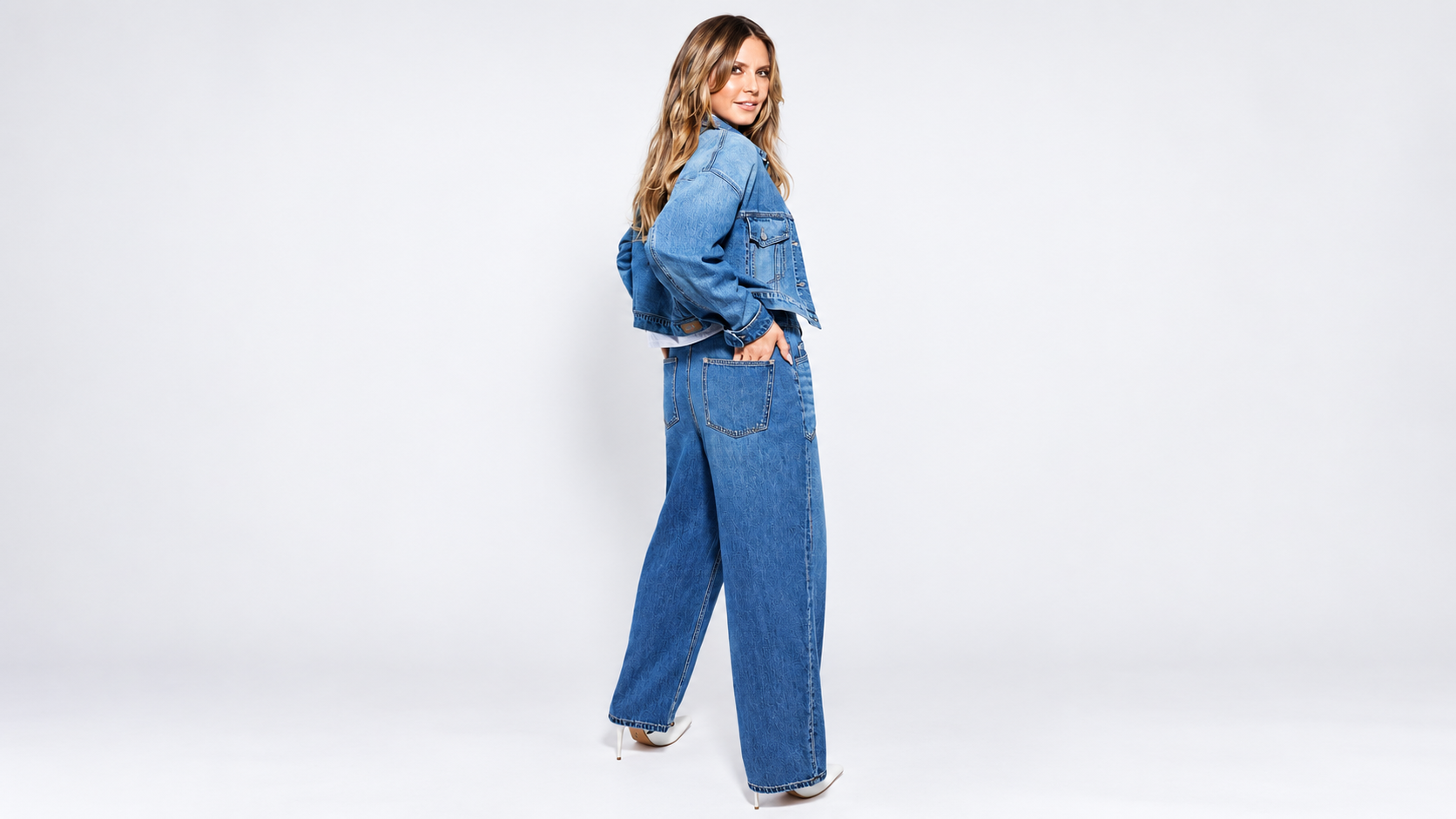
Japanese selvedge denim is also a popular choice for crafting durable and stylish denim jackets. Its sturdy weave helps the jacket retain its shape and develops a distinctive look over time. Medium-weight and heavy-weight fabrics are typically used for trucker jackets, workwear-inspired designs, and heritage-style outerwear. The fabric's texture and variations in natural color also make it suitable for premium fashion collections.
Denim Shirts and Overshirts
Lightweight Japanese selvedge denim is excellent for shirts and overshirts. Its comfortable texture makes it ideal for layering while retaining the classic denim look. Designers often choose soft denim fabrics for casual shirts, button-down styles, and contemporary workwear. These garments combine everyday practicality with the distinctive qualities of premium denim.
Designer and Luxury Fashion Collections
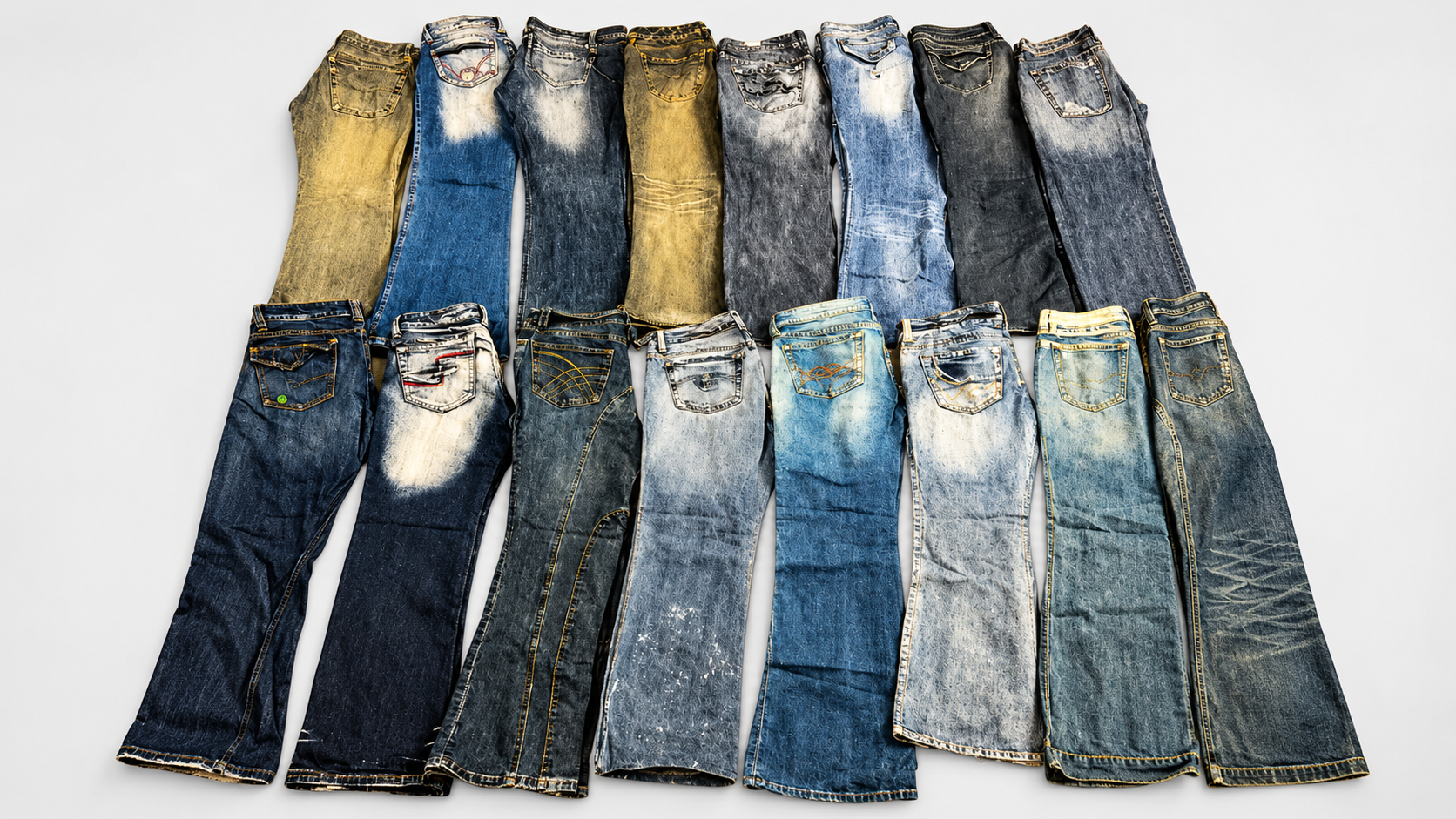
Fashion designers create premium collections using Japanese selvedge denim, emphasizing material quality, craftsmanship, and timeless design. Its distinctive textures, indigo shades, and traditional weaving characteristics offer designers the freedom to experiment with silhouettes, washes, and fabric finishes. This is particularly appealing to brands looking to incorporate heritage-inspired materials into modern apparel.
Why Is Japanese Selvedge Denim Fabric Expensive?
Japanese selvedge denim can be expensive for several reasons. Traditional shuttle looms produce narrower fabric and generally do not prioritize high output or rapid production like modern wide-weaving systems. Factors such as specialized yarns, the dyeing process, unique textures, limited production volumes, and rigorous quality control can also drive up manufacturing costs.
How to Care for Japanese Selvedge Denim Fabric
Japanese selvedge denim fabric is renowned for its durability, distinctive texture, and ability to improve with age. However, proper care is essential to maintain its appearance, color, and overall quality. Whether you are wearing raw denim jeans, a denim jacket, or any other garment, following the right care practices can help extend its lifespan.
Unlike standard clothing, some Japanese selvedge denim garments require special care, particularly when made from raw or unsanforized denim. Here are some simple and effective ways to care for Japanese selvedge denim.
Japanese Selvedge Denim Fabric Online in India
If you wish to buy Japanese selvedge denim fabric online in India, it is important to consider factors such as fabric quality, weight, origin, and intended use before making a purchase. Renowned for its traditional weaving techniques and distinctive selvedge edges. this premium denim is a popular choice among designers, denim enthusiasts, and garment makers.
In India, the price of Japanese selvedge denim fabric generally starts from ₹700–₹1,500 per yard for select options, while premium and imported varieties can cost ₹2,000 or more per yard, depending on the fabric's specific characteristics and the supplier.
Japanese Selvedge Denim Fabric Online in France
Japanese selvedge denim fabric is highly prized in France for its traditional weaving techniques, premium cotton, and distinctive texture. It is a popular choice among fashion designers, denim enthusiasts, and manufacturers seeking high-quality materials to create premium jeans, jackets, and custom garments.
In France, prices for Japanese selvedge denim fabric generally start at around €23–€30 per meter while premium and heavyweight varieties can cost €35 or more depending on the fabric's weight, quality, and supplier.
FAQs
What is Japanese selvedge denim fabric?
Japanese selvedge denim is denim manufactured in Japan where the edges are finished during the weaving process itself it is traditionally produced on shuttle looms. It is available in a wide range of weights, colors, textures, yarn types, and finishes. The term 'selvedge' refers to the construction of the edge it does not imply that the denim is necessarily raw or unwashed.
Why is Japanese selvedge denim so popular?
It is prized for its combination of traditional 'selvedge' construction and the diverse range of unique fabrics produced by Japanese denim mills. Enthusiasts often praise its distinctive texture, raw indigo options, unique fading characteristics, and the ability to select fabrics with specific, standout qualities.
Is Japanese selvedge denim better than regular denim?
Not necessarily. 'Selvedge' primarily refers to how the edge of the fabric is woven. Overall quality depends on factors such as the yarn, cotton, weave density, dyeing, finishing, manufacturing method and quality control. While Japanese selvedge can be an excellent material high-quality non-selvedge denim is also available.
What is the difference between raw denim and selvedge denim?
'Raw denim' refers to denim that has not been heavily washed or distressed to create a pre-worn look. 'Selvedge' refers to the edge of the woven fabric that is naturally finished. Therefore denim can be raw but not selvedge selvedge but not raw or both.
What is 14 oz Japanese selvedge denim fabric?
14-ounce Japanese selvedge denim fabric weighs approximately 14 ounces per square yard and is manufactured in Japan with selvedge edges. It falls into a versatile mid-weight category commonly used for jeans and jackets, offering good structure without the excessive weight of heavy denim.
Where can I buy Japanese selvedge denim fabric by the yard?
Specialty denim retailers, fabric stores Japanese textile distributors, and select online fabric suppliers sell Japanese selvedge denim by the yard or meter. Before placing an order, be sure to check details regarding the mill or origin, usable width, weight, texture, finish, shrinkage, and the return policy.
Is Japanese selvedge denim available wholesale?
Yes. Japanese selvedge denim can be purchased in bulk from mills, textile agents, distributors, exporters, and specialized denim suppliers. Minimum order quantities and availability can vary significantly. Commercial buyers should request samples and confirm details regarding technical specifications lead times, restocking availability, pricing, and order requirements.
What is the difference between selvedge and non-selvedge denim?
The edge of selvedge denim is formed during the weaving process itself and it is traditionally produced on shuttle looms. Non-selvedge denim is typically made on wide modern weaving machines and has cut edges that require finishing when the fabric is used to make garments. Neither of these methods alone determines the overall quality of the finished denim.
Is black Japanese selvedge denim different from indigo denim?
Yes. The main difference lies in the color of the threads and the dyeing process used on them. Black selvedge may use black warp threads combined with either light or black weft threads, whereas classic indigo denim typically uses indigo warp threads. Consequently there can be a distinct difference in their color variation and the way they fade.
How much fabric is needed to make a pair of jeans?
There is no fixed quantity for this. Fabric requirements depend on several factors, such as the pattern size, fabric width, fit, pocket design, selvage placement, allowance for shrinkage and cutting efficiency. Since traditional selvage fabric is generally narrower it may require a greater length of fabric compared to wider denim. To calculate the exact amount, use your finished pattern and the actual width of the fabric.
Conclusion
Japanese selvedge denim fabric combines a distinctive weave structure with a wide variety of yarns, textures, weights, colors, dyeing methods, and finishes. Its distinctiveness is not limited merely to the visible selvedge line. The true merit lies in selecting a fabric whose texture and properties are perfectly suited to the garment being created. Raw, sanforized, unsanforized, black, stretch, and slub selvedge fabrics each serves a different purpose. Weight is equally important versatile 13–14 ounce denim differs significantly from heavy 18-ounce fabric.
Related posts
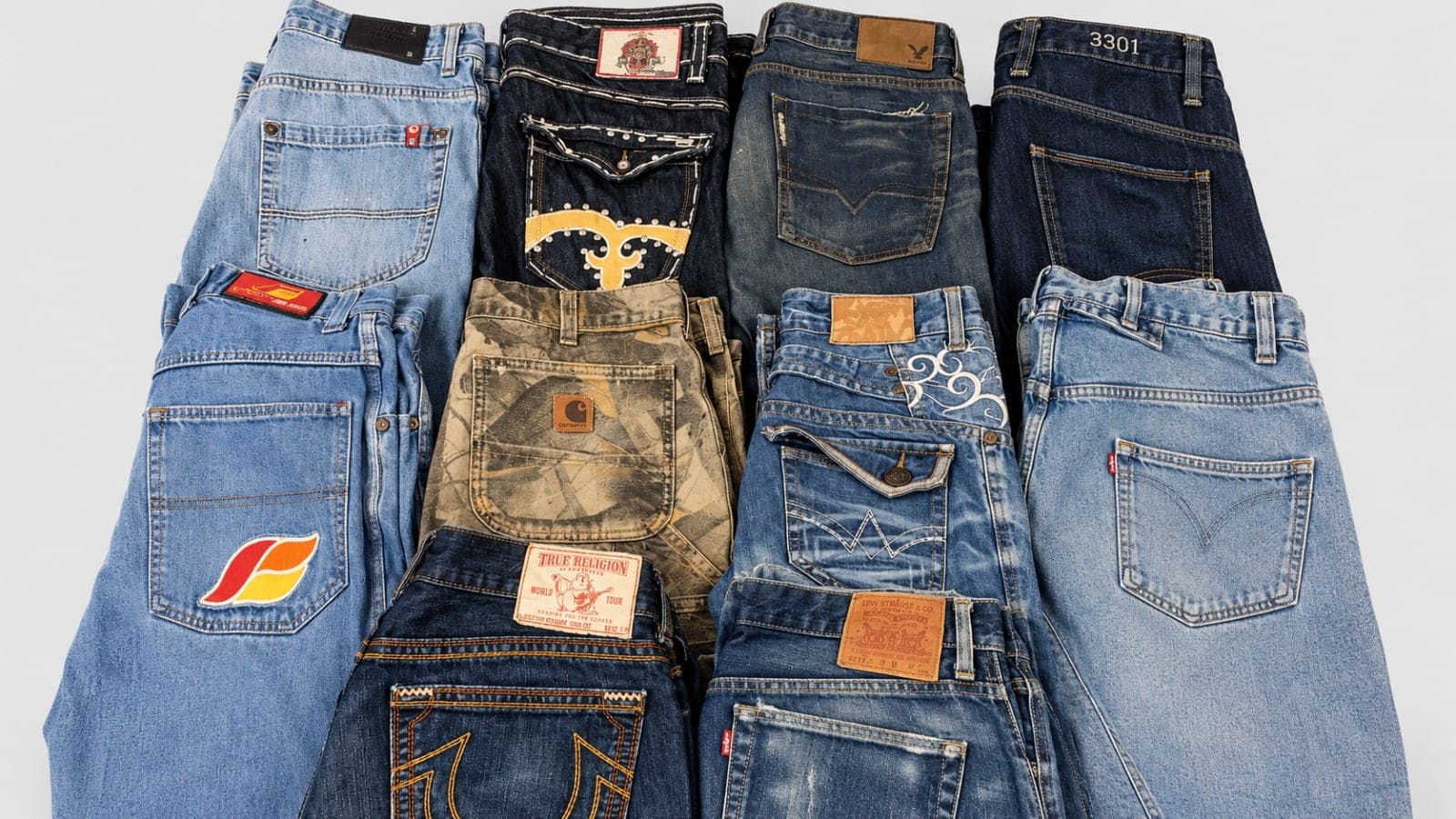
Japanese Denim: History, Characteristics & Iconic Brands
Japanese denim is renowned for its traditional craftsmanship selvedge construction, distinctive indigo dyeing, and meticulous production methods. But how did Japan become such a powerhouse in the world of denim?
2026 Vintage Clothing Wholesale Trends: Y2K, Denim and Sportswear for Resellers

How to Identify Vintage Levi’s Jeans: 7 Authenticity Checks
The vintage clothing of Levi's is still one of the best collections when it comes to fashion, valued for quality workmanship and lasting personality. Here's everything you should know about vintage Levi's including history, authentication methods, styling and how to purchase authentic items safely.