Japanese Denim: History, Characteristics & Iconic Brands
Table of contents
- Japanese Denim
- Made in Japan vs Japanese Denim
- Is Japanese Denim Always Selvedge ?
- Is Japanese Denim Always Raw Denim?
- Japanese Denim Is Not Simply a Colour or Style
- Riaaj Vintage Products
- The Origins of Japanese Denim
- The History of Japanese Denim
- Riaaj Vintage Articles You May Like
- Why Is Japanese Denim Considered Special?
- Attention to the Yarn
- Indigo Dyeing
- Shuttle-Loom Production
- Texture
- Construction Details
- Why Is Japanese Denim Considered Special?
- Kojima Denim
- Denime
- Evisu
- Fullcount
- Warehouse & Co.
- Famous Japanese Denim Brands
- BIG JOHN
- Studio D'Artisan
- Evisu
- The Characteristics of Japanese Denim
- Japanese Denim vs American Denim
- How to Identify High-Quality Japanese Denim
- How Japanese Denim Fades Over Time
- How to Care for Japanese Denim
- Is Japanese Denim Worth the Price?
- FAQs
- What is Japanese denim?
- Why is Japanese denim so expensive?
- Is Japanese denim always selvedge?
- Is Japanese denim better than American denim?
- What is the Osaka Five?
- What is Kojima denim?
- What makes Japanese denim fade differently?
- How should Japanese denim be washed?
Japanese Denim is renowned for its traditional craftsmanship selvedge construction distinctive indigo dyeing textured fabric and meticulous production methods. Over several decades Japanese manufacturers mills designers and artisans have developed a unique approach to denim one that combines respect for vintage workwear with experimentation in thread color weave texture weight construction and aging.
Today Japanese denim encompasses everything from precise reproductions of mid-century American jeans to highly irregular fabrics featuring dramatic slub nep unusual indigo tones heavy construction and experimental weaving techniques. To understand the reasons behind its formidable reputation one must first grasp what Japanese denim truly signifies.
Japanese Denim
Japanese denim generally refers to denim fabric produced in Japan specifically fabric associated with the country's distinctive weaving dyeing finishing and manufacturing industries. However the term is also frequently used to describe jeans and garments made in Japan that adhere to the country's denim traditions. It is important to understand what Japanese denim is not.
It does not refer to a specific shade of blue; it is not necessarily raw; it does not always feature a selvedge edge; nor is there a single weight texture weave or fading pattern that defines it. Instead Japanese denim is best understood as a manufacturing tradition that places immense emphasis on fabric development craftsmanship texture and the way the material evolves as it is worn.
Made in Japan vs Japanese Denim
"Made in Japan" and "Japanese denim" refer to different things. "Japanese denim" generally refers to the denim fabric itself and its place of manufacture.
In contrast "Made in Japan" refers to the production of the finished garment. Depending on the product a garment made in Japan does not necessarily mean that every component or the fabric itself originated there. Similarly Japanese denim fabric may be exported and used by a brand from another country. For buyers specifically seeking Japanese denim it is beneficial to check both where the fabric was produced and where the garment was manufactured rather than relying solely on the "Made in Japan" label.
Is Japanese Denim Always Selvedge ?
No, The term 'selvedge' indicates how the fabric is woven not the country where it was made.
Traditional selvedge denim is produced on narrow shuttle looms which naturally finish the edges of the fabric. When the jeans are cuffed this edge is typically visible on the inside of the outseam.
Japan has played a significant role in the modern era of shuttle-loom selvedge denim which is why the two terms are often associated with each other. However Japanese mills are capable of producing both selvedge and non-selvedge fabrics.

Is Japanese Denim Always Raw Denim?
No. Raw denim refers to denim that has not undergone the typical washing or distressing processes before being sold. Selvedge refers to the construction of the fabric. Many Japanese Denim enthusiasts prefer raw selvedge denim because it gives them greater control over how their jeans break in and fade. But raw denim and Japanese Denim should not be treated as synonyms.
Therefore, a pair of jeans can be:
Raw and selvedge,
Washed and selvedge,
Raw and non-selvedge,
Or washed and non-selvedge.
Many Japanese denim enthusiasts prefer raw selvedge denim because it gives them greater control over how the jeans break in and fade. However, raw denim and Japanese denim should not be considered the same thing.
Japanese Denim Is Not Simply a Colour or Style
Dark indigo jeans do not always equate to 'Japanese denim.' Japanese mills work with a wide range of fabrics including dark indigo light blue and black denim natural and synthetic indigo unique weft colors varying yarn thicknesses; and weights ranging from lightweight to very heavy. What these fabrics share is not merely their visual appearance but rather the way they are crafted specifically the meticulous attention paid to the yarn dyeing weaving finishing and how they evolve over time.
Riaaj Vintage Products
https://riaajvintage.com/product/bundle-of-nwt-polo-ralph-lauren-shirts-msrf6gza27mm-mu8a8bdx9az3
https://riaajvintage.com/product/custom-hand
https://riaajvintage.com/product/bundle-of-vintage-womens-y2k-bootcut-denim-mt77js07o3jf
https://riaajvintage.com/product/bundle-of-vintage-carhartt-blanket-lined-jacket
The Origins of Japanese Denim
Japan's connection with textiles goes back centuries predating the advent of modern jeans. In the present-day Kurashiki area of Okayama Prefecture an important textile industry developed as cotton cultivation increased. The area later became famous for producing products such as workwear and school uniforms creating a network of skilled sewing and textile businesses long before the arrival of premium Japanese denim. The influence of Western clothing increased in Japan throughout the twentieth century and American culture had a particularly strong influence in the decades following World War II.
Blue jeans also became a part of that attraction. However, Japan initially did not have the complete domestic infrastructure needed to produce jeans from Japanese denim fabric. But this situation was about to change.
The History of Japanese Denim
A major shift occurred in the 1960s. In 1965 Japan began manufacturing jeans domestically using denim imported from the United States. BIG JOHN associates this era with the successful mass production of Japanese jeans made from imported material. The next major challenge was to produce denim within Japan itself. BIG JOHN collaborated with the Japanese textile company 'Kurabo' to manufacture denim domestically. According to BIG JOHN this resulted in the creation of KD8 denim and in 1973 they launched their first pair of jeans made entirely in Japan.
The story of Japanese denim did not stop at merely replicating what American manufacturers had already created. Japanese makers began to experiment. They worked on introducing or deliberately enhancing features such as spinning techniques rope dyeing irregular yarns vintage machinery washing processes shuttle-loom weaving and characteristics found in vintage jeans. For instance Kurabo developed and commercialized irregular "mura" yarn in the 1980s a time when the country's denim industry was steadily evolving.
By the late 1980s and into the 1990s Japan's growing fascination with vintage American clothing sparked another significant movement in denim. Rather than simply focusing on making better modern jeans a group of Japanese brands began to study vintage American garments in minute detail. Every aspect fabric density stitching rivets buttons cotton thread loom characteristics silhouettes and fading patterns was re-examined. This movement helped create what collectors today recognize as "modern premium Japanese denim."
Riaaj Vintage Articles You May Like
https://riaajvintage.com/blog/pick-vintage-wholesale
https://riaajvintage.com/blog/thrift-market-in-delhi
https://riaajvintage.com/blog/how-to-request-vintage-clothing-from-a-wholesaler
Why Is Japanese Denim Considered Special?
There is no single feature that makes every piece of Japanese Denim exceptional. Rather, its reputation comes from the combination of several traditions and manufacturing choices.
Attention to the Yarn
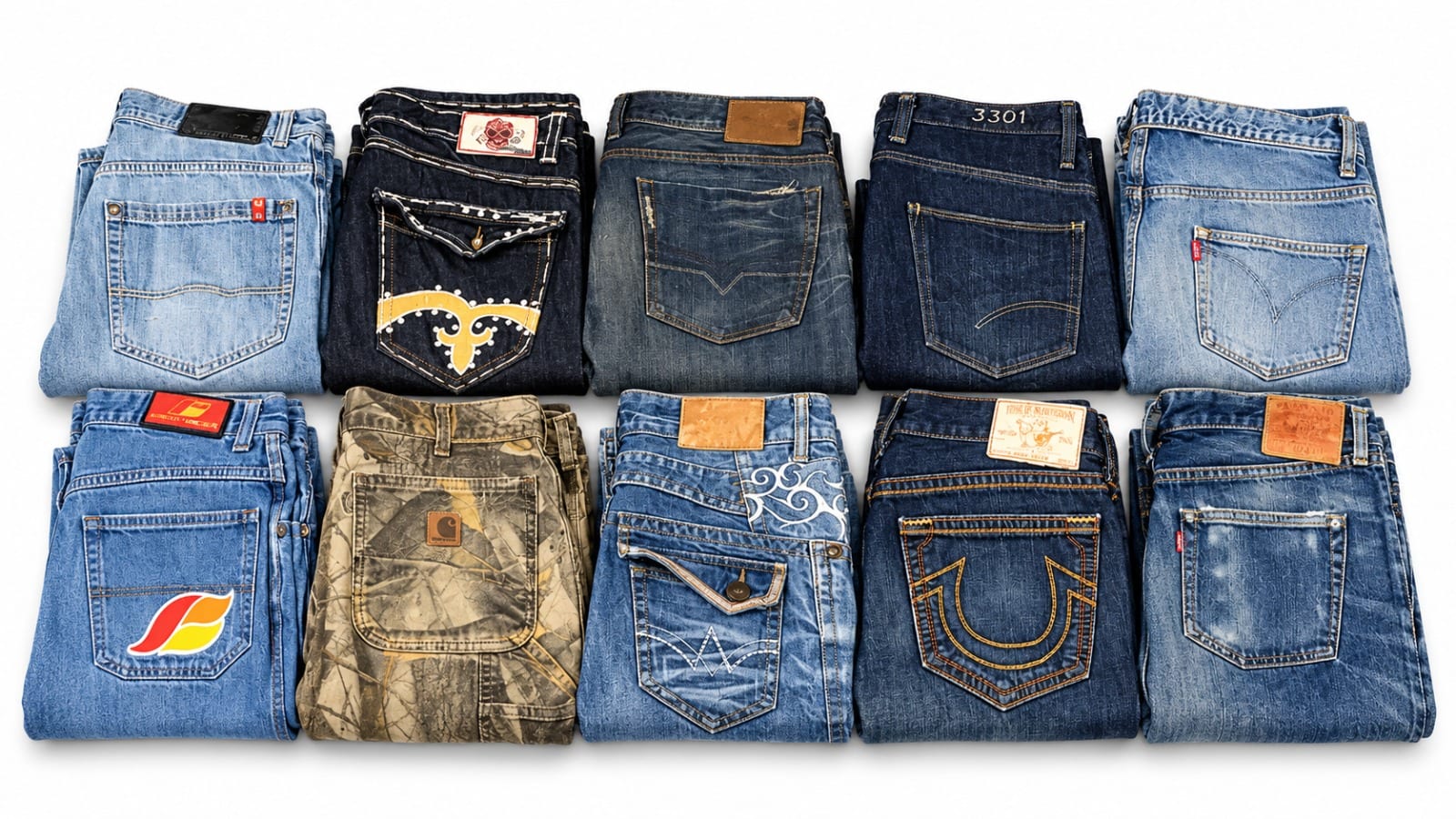
Japanese denim makers often experiment with yarn thickness twist cotton variety and irregularity. Deliberately uneven yarns can create a distinctive texture on the denim surface often referred to as 'slubby.' Small fibers or knots visible in the yarn can produce a 'neppy' look. For instance 'Pure Blue Japan' states that it crafts its fabrics starting at the yarn level and employs customized machines to achieve the unique irregular texture found in many of its 'selvedge denims.'
Indigo Dyeing
'Rope dyeing' is a common technique used in the production of high-quality denim. Instead of fully saturating the cotton fibers with dye repeated dipping creates a layer of indigo color on the outer part of the thread while the core remains comparatively lighter. As the surface indigo color gradually wears away the lighter cotton underneath becomes visible. This contrast plays a crucial role in the various types of fading associated with raw Japanese denim.
Shuttle-Loom Production
Many renowned Japanese selvedge fabrics are produced using traditional or vintage-style shuttle looms. These machines operate differently from modern high-speed looms creating relatively narrow rolls of fabric with self-finished edges. The slow carefully controlled weaving process also affords mills considerable freedom to experiment with tension and yarn irregularities. However production on a shuttle loom alone does not guarantee exceptional denim; factors such as cotton quality yarn development dyeing weaving finishing and garment construction all play a crucial role.
Texture
A distinctive feature of modern Japanese denim is its texture. Some fabrics are smooth and conventionally refined while others are intentionally kept rugged or uneven. By varying factors such as yarn thickness loom tension weaving speed or cotton blends Japanese denim makers can create denim that is: Rough hairy neppy (knotted) smooth stiff soft dense loose slubby (with irregular thickness) or even almost three-dimensional (3D). This ability to use denim fabric as a canvas for experimentation has set many Japanese manufacturers apart from the rest.
Construction Details
Premium Japanese jeans frequently pay attention to details that are invisible from several feet away.
Chain-stitched hems cotton sewing thread reinforced pockets hidden rivets carefully selected buttons leather patches and historically influenced sewing specifications can all form part of the product.
Not every Japanese jean includes every traditional detail but attention to construction is a major part of the culture surrounding Japanese Denim.
Why Is Japanese Denim Considered Special?
Japanese denim is considered special because of its focus on craftsmanship quality and attention to detail. Unlike mass-produced denim which is often made with speed and consistency as the main priorities Japanese denim is commonly produced using traditional techniques along with carefully selected fabrics and skilled craftsmanship.
Kojima Denim
"Kojima Denim" should not be viewed as a single, fixed method or formula. Instead, the term generally refers to the culture of denim and jeans production within the broader textile region of Kojima and Okayama. Different manufacturers in Kojima may employ entirely distinct types of cotton, fabric weights, dyes, textures, and production techniques. What they all share is a deep, expert knowledge of craftsmanship rooted in the region. Today, Kojima Jeans Street has transformed this industrial heritage into a unique destination for denim enthusiasts, featuring numerous specialized brands and shops.
Denime
Denim was launched in 1988. Historically its approach focused more on recreating straightforward American vintage clothing rather than adopting the experimental styles seen in other Japanese brands. The brand defines its concept as "authentic basics" garments designed for daily wear that foster a sense of personal connection over time. During the early days of the vintage denim revival in Japan the company collaborated with Kurabo a pioneer in Japanese denim to work with selvedge fabric. While Studio D'Artisan often gave traditional denim a unique identity Denim became known for simple classic versions of American jeans.
Evisu
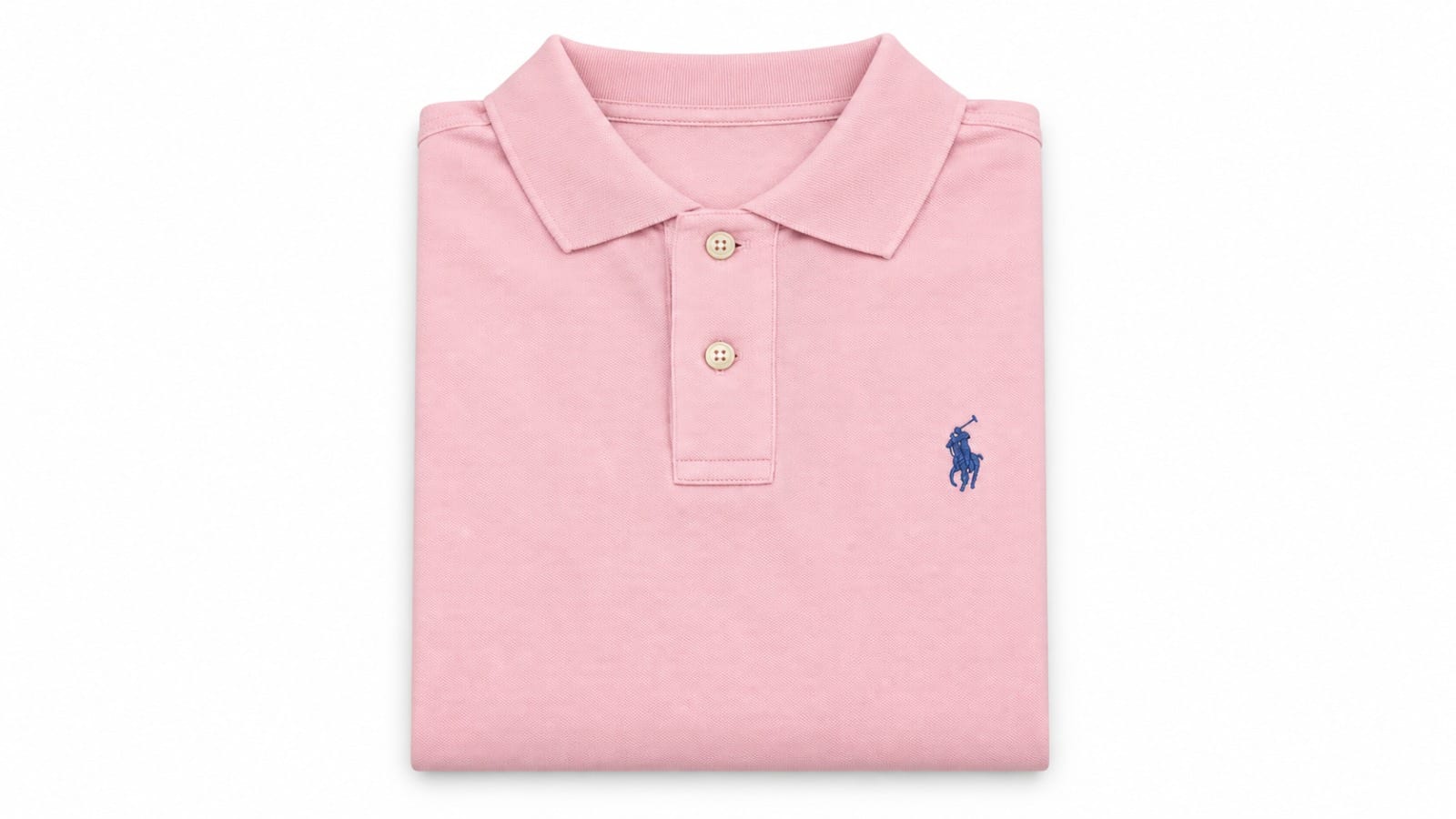
Few Japanese denim brands stand out as distinctively as 'Evisu'. Launched in Osaka in 1991 the brand is named after 'Ebisu' the Japanese god of prosperity. Its early denim garments were characterized by hand-painted markings on the back pockets which later evolved into the brand's signature 'seagull-style' design. While remaining true to its roots in vintage denim Evisu elevated Japanese denim beyond a niche circle of heritage-style enthusiasts establishing its presence in the realms of international fashion and streetwear culture. The painted back pockets remain its most instantly recognizable design feature to this day.
Fullcount
Fullcount was established in Osaka in the early 1990s. While authenticity was paramount the brand also focused on an aspect often overlooked in discussions about stiff raw denim: comfort. One of its defining features was the use of long-staple Zimbabwean cotton. Fullcount adopted this fiber to create denim that combined a vintage-style texture and a unique evolving aesthetic with a soft feel. Consequently their jeans are celebrated not only for their heritage qualities but also for their softness ease of daily wear and distinctive fading characteristics.
Warehouse & Co.
Warehouse & Co. was founded in the mid-1990s by brothers Kenichi and Koji Shiotani becoming the newest member of the 'Osaka Five.' Its philosophy places a strong emphasis on recreating vintage garments by paying close attention to their intricate details. The Warehouse 1001XX model became a pivotal release for the company reflecting its keen interest in the construction and characteristics of mid-century American jeans. The brand attributes this model to the meticulous study of details ranging from selvedge to stitching threads and other components. While some modern Japanese brands deliberately steer denim in new directions Warehouse remains deeply committed to a precise understanding and faithful adoption of vintage styles.
Famous Japanese Denim Brands
The Osaka Five were enormously influential, but Japanese Denim continued developing through later generations of manufacturers.
BIG JOHN
BIG JOHN holds a very special place as its history is directly linked to the evolution of Japan's domestic jeans industry. The company began in 1940 as a sewing business in Kojima. It later ventured into the jeans trade and was involved in the early domestic production of jeans in Japan during the 1960s. In collaboration with Kurabo they developed the KD8; according to BIG JOHN this fabric was used for their first fully domestically produced pair of jeans in 1973. For those interested in the history of Japanese denim beyond just modern collector brands understanding BIG JOHN is essential.
Studio D'Artisan
Founded in 1979 Studio D'Artisan helped establish the philosophy that Japanese jeans could simultaneously respect American workwear and develop their own identity.
Its combination of traditional construction unusual fabrics and playful branding has allowed it to remain relevant decades after its foundation.
Evisu
Evisu's hand-painted back-pocket graphics turned an enthusiast denim company into one of the most internationally recognizable Japanese fashion brands of the 1990s and 2000s. Its significance comes from its ability to bridge vintage denim culture and expressive streetwear.
The Characteristics of Japanese Denim
Because Japanese Denim is not a single standardized fabric individual examples can differ enormously.
Still enthusiasts commonly encounter several characteristics:
Detailed fabric development. Manufacturers may experiment with cotton origin fibre length yarn thickness yarn twist and irregular spinning.
Indigo depth. Rope dyeing and repeated dye cycles can create rich indigo tones designed to change over time.
Slub and nep. Uneven yarns and controlled weaving can create highly textured surfaces.
Shuttle-loom selvedge. Many specialist brands continue using narrow-width shuttle looms although Japanese Denim does not have to be selvedge.
Varied fabric weight. Japanese denim ranges from relatively lightweight cloth to extremely heavy fabrics exceeding 20oz.
Vintage-inspired construction. Chain stitching traditional hardware cotton thread and historical sewing techniques are common among reproduction-focused brands.
Purposeful ageing. Fabric is frequently designed with its future appearance in mind rather than only how it looks when new.
Japanese Denim vs American Denim
Japanese Denim owes a significant historical debt to American jeans. American workwear provided much of the original inspiration. In turn, Japanese manufacturers became deeply interested in preserving and reinterpreting construction methods associated with vintage American denim.
The distinction today is therefore less about one country producing "better" denim and more about different manufacturing traditions.
Classic American denim culture grew from practical workwear, mass manufacturing and iconic brands that helped establish jeans as a global garment.
Japan later approached that history from the perspective of collectors, textile specialists and manufacturers studying details that mass production had sometimes moved away from.
Japanese producers became particularly known for small-batch experimentation with shuttle looms, irregular yarns, unusual dye recipes, fabric weight and controlled imperfections.
Modern American and Japanese denim industries now influence one another, so the boundaries are not absolute. A useful way to think about it is this:
American denim established much of the language of blue jeans. Japanese Denim became one of the most influential modern interpretations of that language.
How to Identify High-Quality Japanese Denim
A selvedge edge by itself does not guarantee exceptional quality. When evaluating Japanese Denim, examine the entire garment. Start with the fabric. Look closely at its surface rather than simply checking whether it is dark blue. Depending on the intended style, there may be visible slub, subtle irregularity, nep or an unusually dense weave. Then examine the construction. Look at stitching consistency, pocket construction, belt loops, buttonholes, hardware, hems and stress points.
If the jeans are sold as selvedge, cuff the leg and inspect the outseam. Traditional selvedge fabric will have a clean self-finished edge rather than an overlocked raw edge.
Also research the fabric specification. Useful details include cotton type, fabric weight, whether the denim is sanforized or unsanforized, whether it is raw or washed, weaving method and country of manufacture.
Most importantly, do not assume that more texture, greater weight or a higher price automatically equals better denim.
How Japanese Denim Fades Over Time
For many enthusiasts, Japanese Denim becomes more interesting after months or years of wear.
Indigo gradually rubs away wherever the fabric experiences repeated movement and friction. This can create several recognizable patterns. Whiskers develop around the upper thighs and front hip area.
Honeycombs appear behind the knees. Stacks can develop near the ankles when additional f
abric folds above footwear. Pocket fades reveal the outline of objects regularly carried inside the jeans. Another effect associated with vintage-inspired denim is vertical fading, or tate-ochi, where irregular yarn characteristics become visible as long vertical streaks. The Flat Head specifically designs some of its denim around pronounced vertical fading, while Pure Blue Japan develops yarn and weave irregularity partly with long-term ageing in mind.
Raw denim can make these changes particularly visible because the fabric begins without factory-created distressing. Every crease and abrasion therefore develops primarily through the wearer's own routine.
That is why two people can buy the same Japanese raw denim and end up with noticeably different jeans several years later.
How to Care for Japanese Denim
There is no hard-and-fast rule stating that Japanese denim should never be washed. In fact, allowing dirt, sweat, and grime to accumulate on the denim for extended periods can cause damage. The best approach is to wash the jeans when they genuinely need it, while also following the manufacturer's specific instructions. For many raw or selvedge jeans, using cold or cool water and a mild detergent is ideal. Washing the jeans inside out can help minimize unnecessary abrasion on the outer indigo surface. Avoid harsh bleaching unless specifically permitted by the manufacturer. Generally, air-drying is safer than using a high-heat machine
dryer, as it helps minimize excessive shrinkage.
Levi's recommends cold water, mild detergent, and air-drying for its selvedge denim, whereas Studio D'Artisan notes that while avoiding washing for a long time can yield sharper contrast, there is no single "correct" way to wash them. Extra caution should be exercised with unsanforized denim, as it can shrink significantly upon the first soak or wash. Always read the product instructions before deciding how to care for an item. The goal shouldn't simply be to achieve maximum fading. Well-cared-for denim can last for years and develop a beautiful fade.
Is Japanese Denim Worth the Price?
Japanese denim often commands a significantly higher price than mass-market jeans because its production involves specialized processes. Factors such as limited production runs, slow weaving, specialized machinery, complex dyeing techniques, premium cotton, Japanese stitching, custom hardware, and skilled craftsmanship all contribute to its final price. However, price alone does not determine the quality of a pair of jeans. Whether or not Japanese denim is the right choice for you depends on what you value.
For those seeking affordable jeans for everyday wear, spending extra on this specialized fabric offers little tangible benefit. But for those interested in textile production, craftsmanship, vintage clothing, durability, and the way a garment evolves over time, Japanese denim offers a truly unique experience. The appeal lies in more than just owning an expensive pair of jeans. It is about wearing a fabric whose texture and appearance continue to change and improve long after it leaves the factory.
FAQs
What is Japanese denim?
Japanese Denim generally refers to denim fabric produced in Japan and is especially associated with the country's specialist dyeing, weaving, textile and garment-making industries.
It can include raw or washed denim, selvedge or non-selvedge denim, and a wide range of weights, colours and textures.
Why is Japanese denim so expensive?
Japanese Denim can be expensive because many premium producers use slower manufacturing techniques, specialised weaving equipment, carefully developed yarns, complex dyeing processes, small production runs, premium materials and highly skilled Japanese labour.
However, not every Japanese denim product is expensive, and a high price does not automatically guarantee better quality.
Is Japanese denim always selvedge?
No.
Japanese Denim describes the origin and production tradition of the denim, while selvedge refers to a fabric woven with a self-finished edge, traditionally using a shuttle loom.
Many famous Japanese jeans use selvedge denim, but Japanese non-selvedge denim also exists.
Is Japanese denim better than American denim?
Neither is automatically better.
American denim established much of the history and design vocabulary that inspired Japanese manufacturers.
Japanese producers later became known for preserving vintage techniques and experimenting extensively with yarn, texture, dyeing, weaving and fabric weight.
The better choice depends on the fabric, construction, fit and characteristics you prefer rather than nationality alone.
What is the Osaka Five?
The 'Osaka Five' refers to the five influential Japanese denim brands that played a pivotal role in popularizing premium, vintage-style jeans: Studio D'Artisan, Denime, Evisu, Fullcount, and Warehouse. Together, they played a major role in the movement to recreate vintage-style jeans in Japan and subsequently influenced the evolution of premium Japanese denim.
What is Kojima denim?
"Kojima Denim" broadly refers to the tradition of denim manufacturing associated with Kojima in Kurashiki, Okayama Prefecture. Having evolved from a historic hub of textile and garment production, Kojima has become one of Japan's most important regions for jeans manufacturing. Today, its network of manufacturers, artisans, and specialized brands makes Kojima one of the places most closely associated with Japanese denim.
What makes Japanese denim fade differently?
There is no single, set way for Japanese denim to fade. It can fade in various ways due to factors such as rope dyeing, irregularities in yarn structure, fabric density, loom tension, the weaving method, the depth of the indigo shade, the type of cotton used, and how the garment is worn and washed. Some Japanese denim brands intentionally create fabrics with characteristics like vertical fading, sharp contrast, uneven texture, or a subtle vintage-style aged look.
How should Japanese denim be washed?
Follow the care instructions provided with that specific pair. Generally, rather than adhering to overly strict advice like "never wash," you should wash your denim when it gets dirty. For raw and selvedge denim, washing in cold or cool water with a mild detergent and air-drying is usually recommended. Unsanforized jeans require extra care, as they can shrink significantly upon the first soak or wash.
Related posts
Best Vintage Jackets to Resell: Brands, Styles & What to Look For

Japanese Selvedge Denim Fabric: Quality, Types & Uses
Explore Japanese selvedge denim fabric, from shuttle-loom weaving and raw denim to fabric weights, uses, care, sourcing, and choosing the right material.
Vintage Clothing Brands Worth Money: Most Valuable Picks
Vintage clothing brands worth money are shaped by rarity, heritage and demand. See which labels command attention and what makes their pieces valuable.