Benefits of Wearing Vintage Clothing
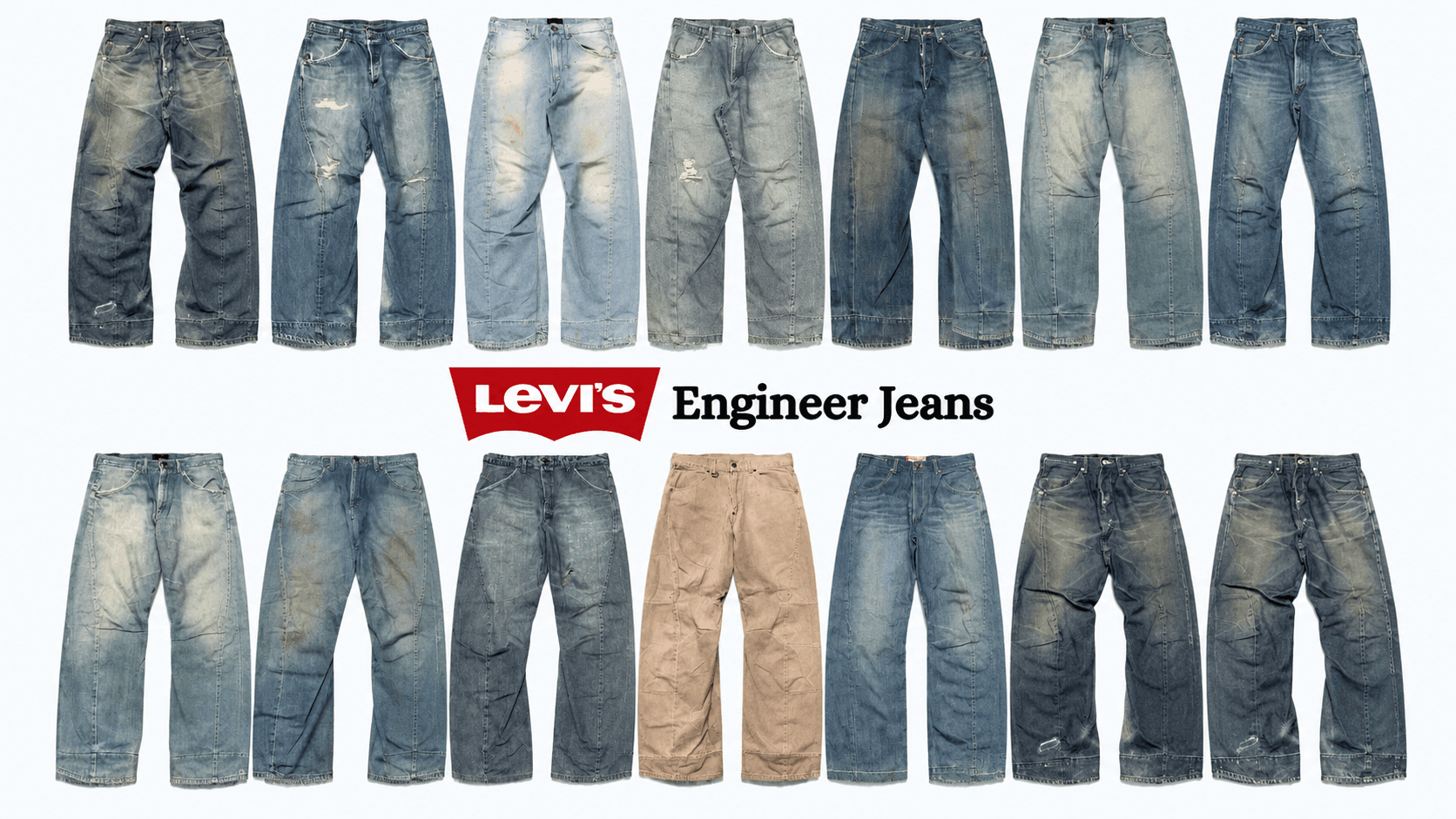
Table of contents
- 1. Unique, One-of-a-Kind Style
- Vintage Products
- 2. Better Quality and Durability
- 3. Eco-Friendly and Sustainable Fashion Choice
- 4. Affordable Access to Premium and Designer Brands
- 5. Supports a More Conscious Wardrobe
- 6. Great Opportunity for Resellers and Small Businesses
- Men's Vintage Clothing:
- FAQs
- Why Does Gen Z Love Vintage?
- What Is the 3-3-3 Rule for Clothes?
- Why Is Gen Z Obsessed With Thrifting?
- Is a 20-Year-Old Item Considered Vintage?
- Is Vintage Clothing Really Better for the Environment?
- Is Vintage Clothing Better Quality Than New Clothes?
- Is Wearing Vintage Clothing Worth It?
- What Are the Main Disadvantages of Vintage Clothing?
- How to Measure a Vintage Jacket:
- Conclusion: Why Wear Vintage Clothing?
Fed up with browsing through your closet to find those fast fashion items everyone else on your social media page is rocking? This is just one reason why many people are switching to vintage. Wearing vintage clothes isn’t just about nostalgia; there are styles such as 80’s work wear, 90’s street wear, and Y2K cuts that can no longer be replicated. In this guide, we’ll take you through everything that makes vintage clothes stand out.
1. Unique, One-of-a-Kind Style
The main benefit of vintage clothing is its individuality. Each vintage piece of clothing carries its own history when you purchase it it is unlikely to be anything more than limited discontinued or no longer manufactured unlike the items that come straight off the warehouse shelves with thousands of duplicates.
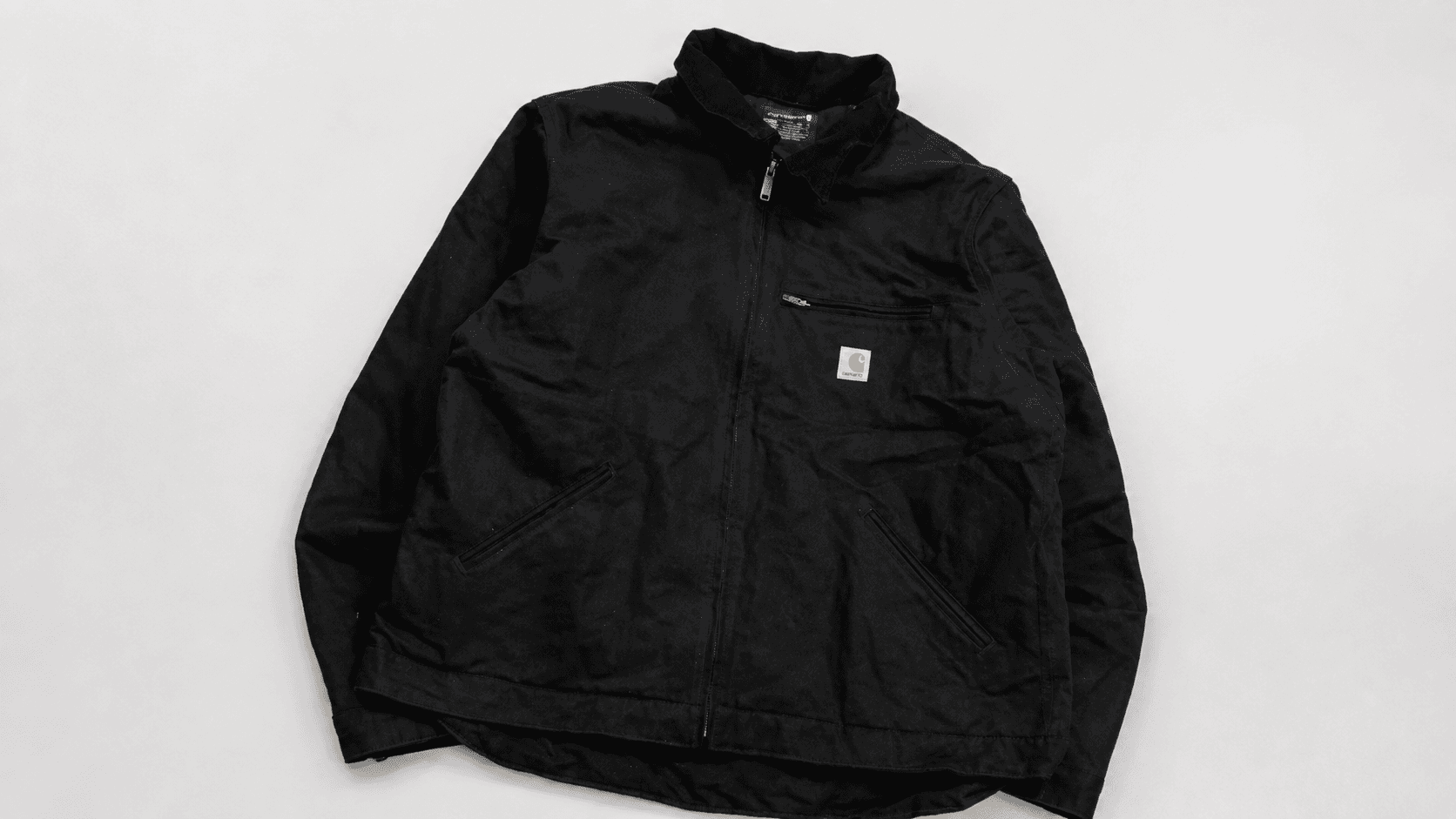
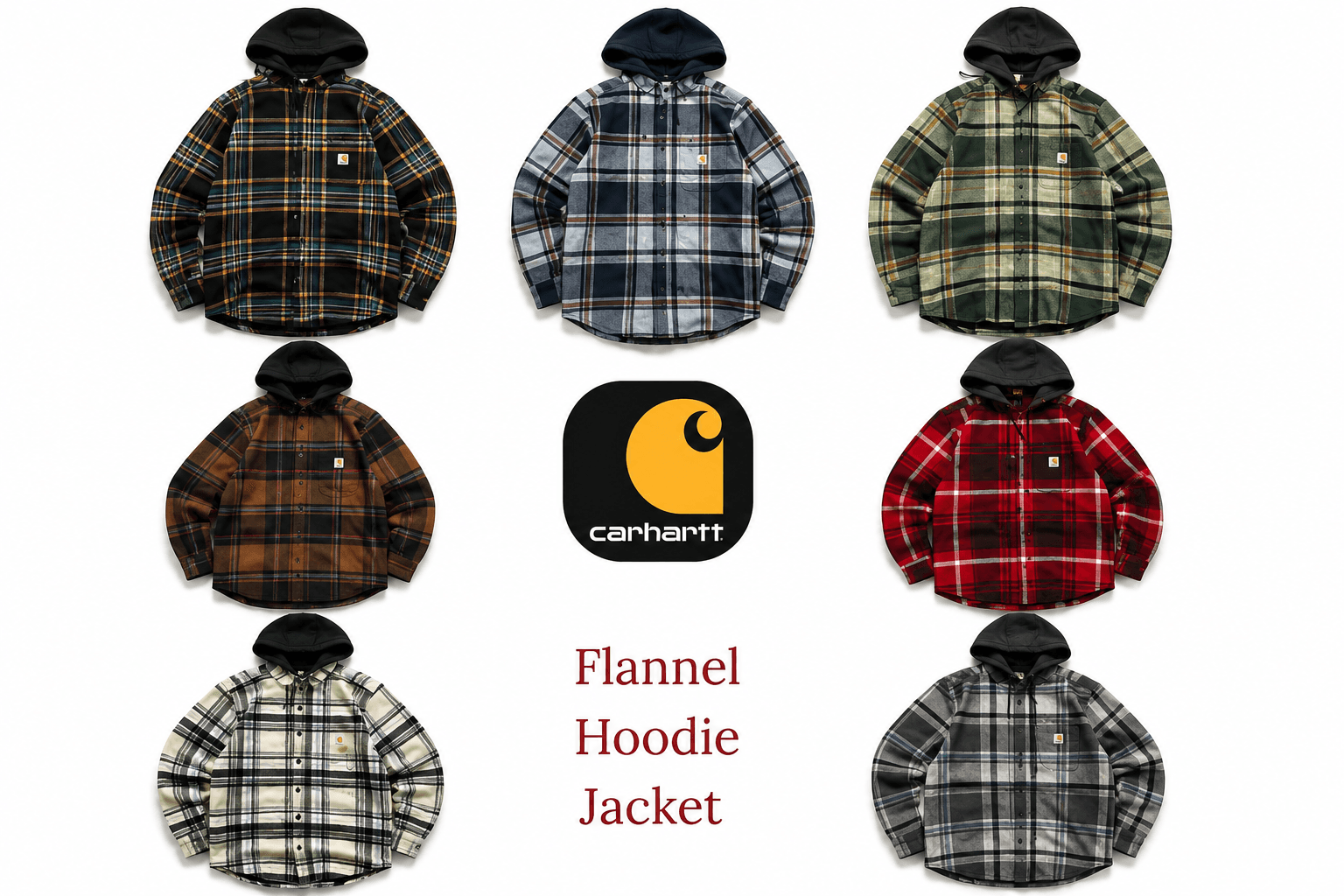
That is precisely the reason why wearing vintage clothes has turned into such an influential trend within streetwear and fashion scenes. Old clothing pieces always have certain silhouettes styles materials and prints that are not currently available. Wearing a vintage 90s flannel shirt a worn-out band t-shirt or a heavy Carhartt jacket gives you a different vibe.
As far as any individual constructing their personal aesthetic particularly on such platforms as Instagram, TikTok, or even Depop, there are many additional advantages to wearing vintage clothes. One of the things that vintage clothes offer is the ability to be unique. They allow one to create their own outfit without conforming to popular trends.
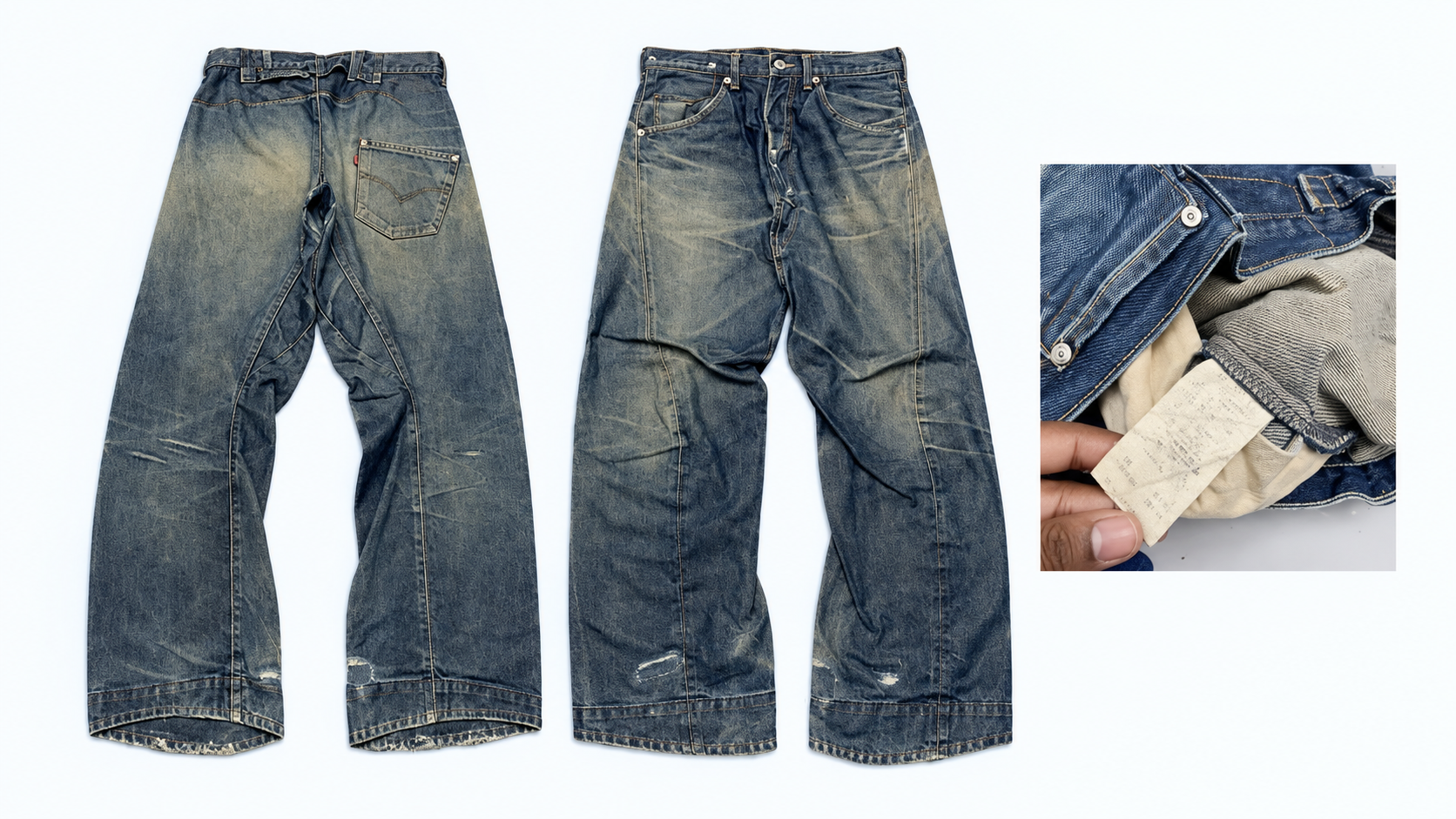
Vintage Products
https://riaajvintage.com/product/bundle-of-brand-new-carhartt-wip-shirts
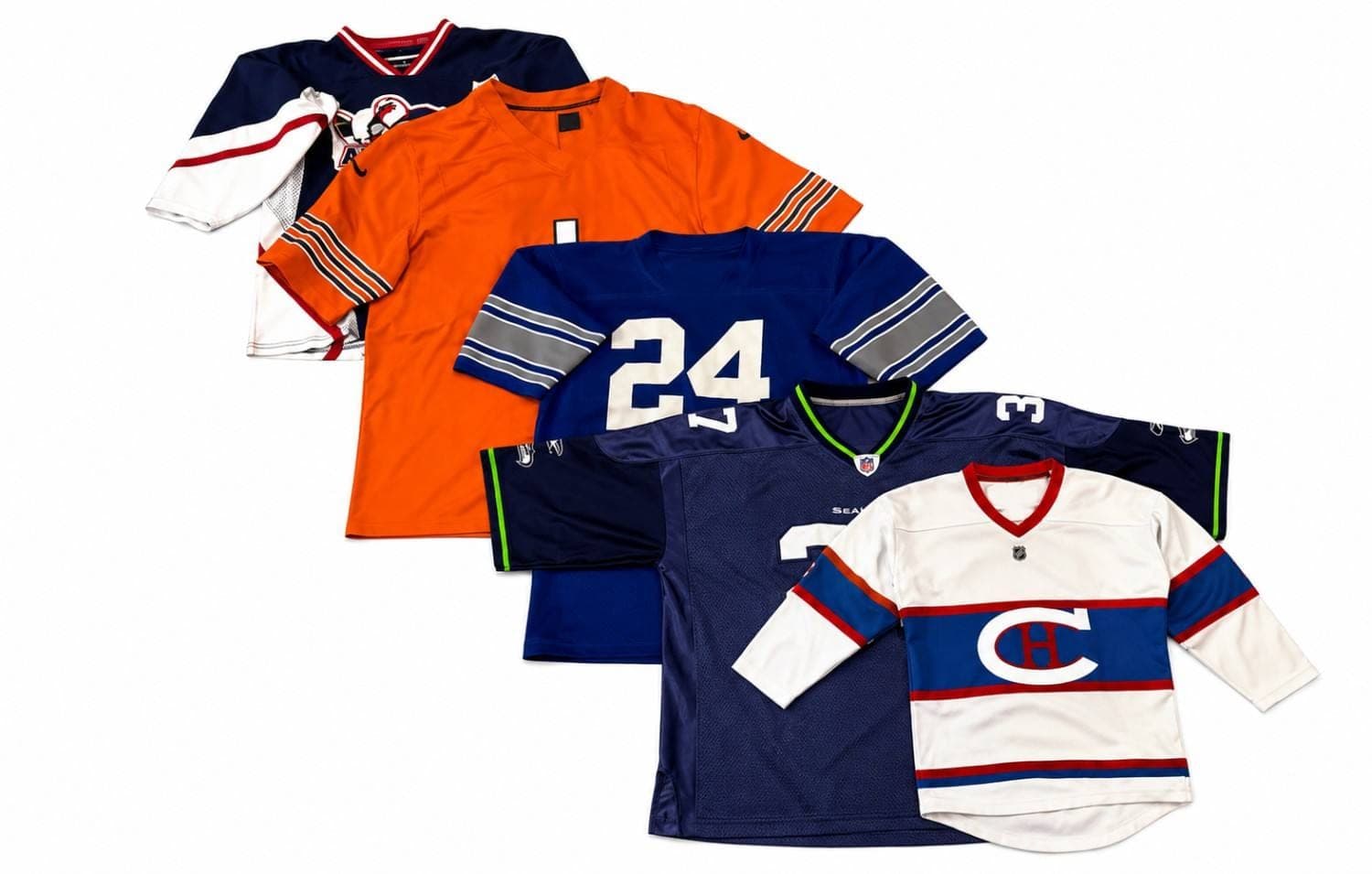
https://riaajvintage.com/product/bundle-of-vintage-sports-jerseys
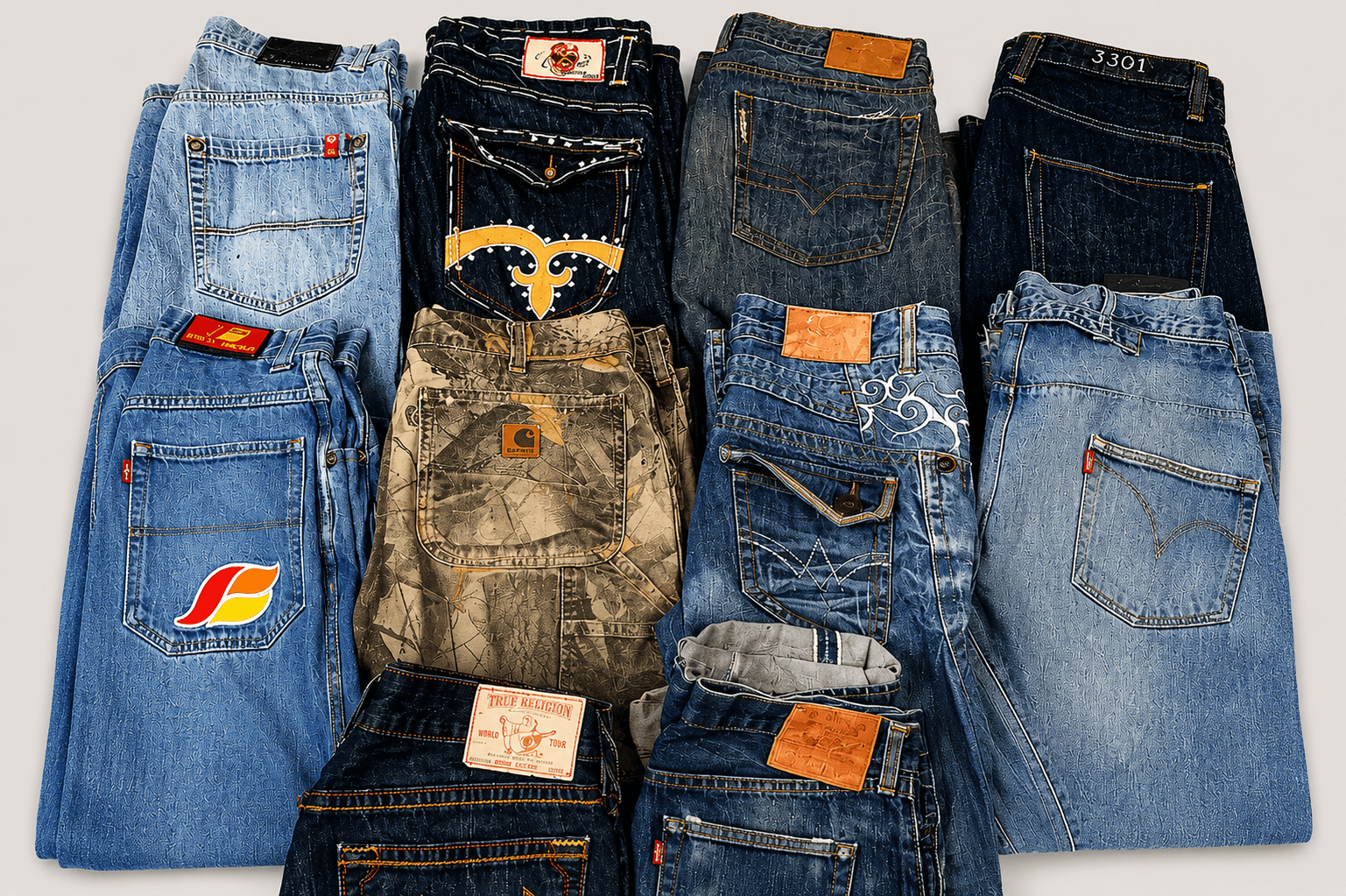
https://riaajvintage.com/product/bundle-of-10-vintage-rare-realtree-camo-cargos-and-denim
https://riaajvintage.com/product/bundle-of-20-vintage-polo-ralph-lauren-shirts
2. Better Quality and Durability
Anyone who has done a comparison of their old jeans with a modern fast fashion alternative knows that the old jeans are much more durable. It is one of the most popular advantages of vintage clothes especially those that belong to genres like denim, work wear, and outer wear.
Many clothing items from decades ago were made using sturdy materials stronger stitches and processes that aimed at building clothing items meant to last. Workwear brands were primarily made with the aim of durability for use in the workplace.
However, it is important to state that high quality of vintage vs new garments is not always guaranteed. The quality may greatly vary according to the brand era when the item was made storage conditions and the level of wear of the vintage piece of clothing. It does not mean that an old torn tee is definitely better than a new one.
Rather cost per wear may be a good way to look at this. A tougher vintage garment that will last for many years even though it does show signs of age may well prove to be a more valuable proposition than a cheap garment that disintegrates after several washes.
3. Eco-Friendly and Sustainable Fashion Choice
Is vintage clothing environmentally friendly? Mostly, yes since the most environmentally friendly piece of clothing is the one that is already made. Purchasing vintage clothing ensures that your clothing lives on and does not just end up being wasted or thrown away.
It’s not so much the effect that vintage fashion has on the environment rather it’s more about how the vintage clothes affect the environment by preventing things from happening. Making clothes involves the use of resources such as materials water energy dyeing and transportation before the garment is even put to use.
This connects directly to how vintage clothing helps the environment on a larger scale. Textile waste is a genuine global problem, and reintroducing existing garments back into circulation is one practical way to reduce it.
In addition to this, however sustainability cannot be guaranteed merely by a label stating that the item is vintage. There are many variables involved including international transport frequency of washing maintenance and even how long the buyer will continue to use the garment. The distinction between vintage and fast fashion is not absolute good versus bad but a shift from an ongoing cycle of production towards one of re-use.
4. Affordable Access to Premium and Designer Brands
Not only is vintage appealing to consumers because it is ethical and aesthetically pleasing but many consumers have realized that vintage shopping is a realistic way for them to own high-end brands without paying full retail price for a new item.
Whereas in comparison between vintage and new clothing it is normal to encounter a high-quality vintage sports jacket a heritage piece of workwear or any other vintage piece that used to be manufactured but has been discontinued selling for less than its new version. Also rarity accounts for much since there are vintage items that are sought because they are no longer available.
There can be variations in prices. The reputation of the brand the condition of the clothing its age and its popularity at the present moment all determine what the price for a particular vintage item should be. Of course an uncommon and perfectly preserved vintage item from an era of high demand will be more expensive than an ordinary one.
5. Supports a More Conscious Wardrobe
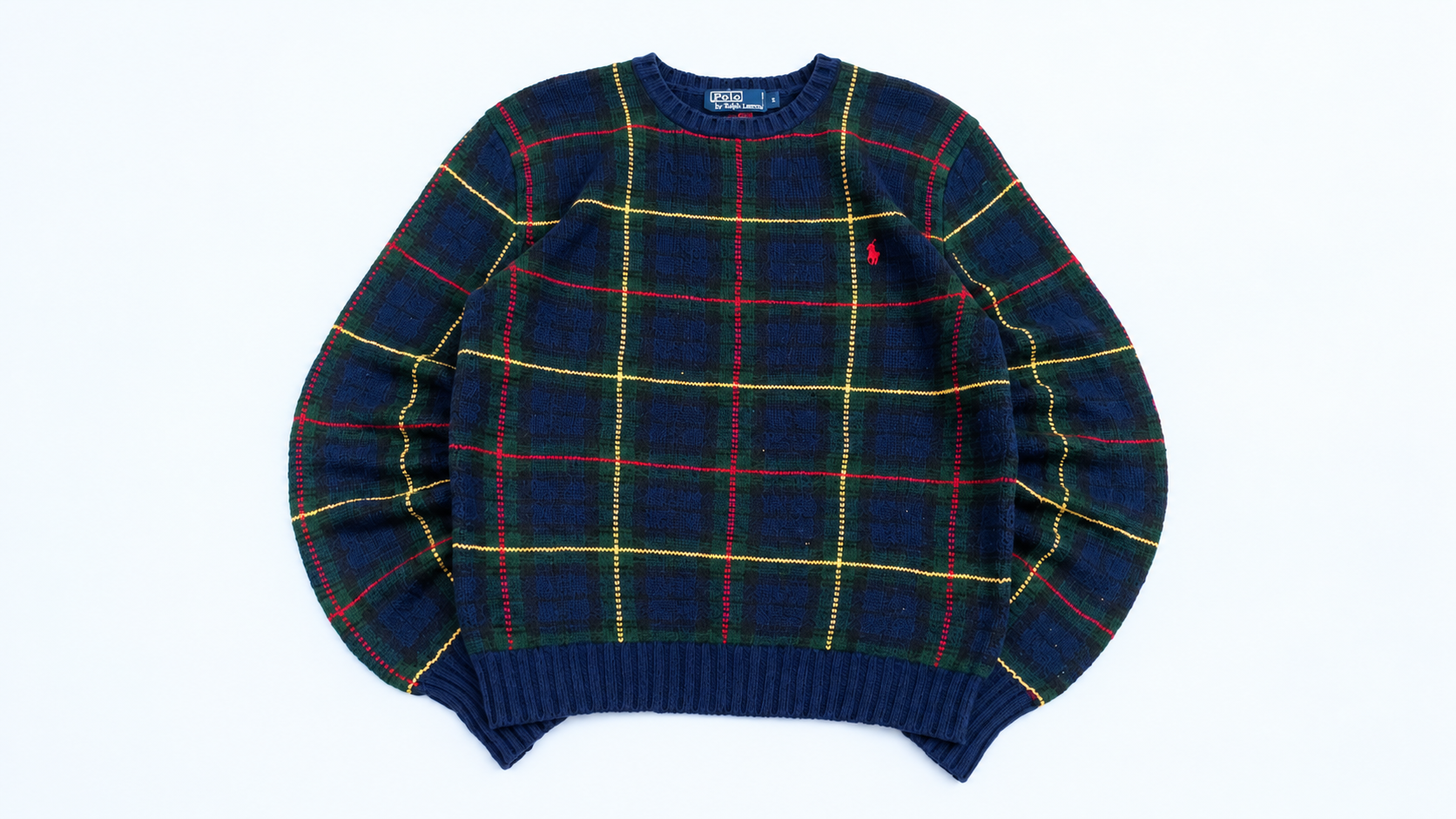
Shopping vintage seems to cultivate an altogether different mentality from fast fashion. Rather than shop often and budget-wise so as to stay on track with the latest trend cycle that has come up with new drops vintage buyers seem to prefer purchasing less consciously.
This is one of the reasons why vintage is closely related to sustainable fashion discussions. It is inherent in a vintage wardrobe that the pace of consumption will inevitably be reduced. Every item is selected for its own particular reason and never simply because it was cheap and new.
Making the clothes that you already have last longer rather than always replacing old clothes with new fast fashion is a small change with large ramifications. Slowly but surely a more interesting wardrobe with a longer lifespan begins to emerge as a result of this strategy.
6. Great Opportunity for Resellers and Small Businesses
Vintage clothing isn't just appealing to individual shoppers it's also a genuine business opportunity. Platforms like Depop, eBay, and Instagram have made it easier than ever for resellers and small vintage businesses to reach niche audiences without needing a storefront.
Typically successful vintage stores specialize in one category or niche as opposed to selling any other form. This could range from streetwear Y2K fashion workwear sportswear or designer vintage. Specialization allows the store to stand out and attract customers looking for that particular niche.
Understanding why buy vintage clothes matters here too sellers who can clearly communicate the actual benefits (unique style durability sustainability and value) tend to connect better with customers than those relying on generic listings. Practical knowledge about grading condition and sourcing also helps sellers set fair prices and build trust with repeat buyers.
Men's Vintage Clothing:
https://riaajvintage.com/product/bundle-of-vintage-carhartt-blanket-lined-jacket
https://riaajvintage.com/product/bundle-of-carhartt-wip-graphic-print-t-shirt-msrjbteisx4a
https://riaajvintage.com/product/bundle-of-nwt-polo-ralph-lauren-shirts-msrf6gza27mm
FAQs
Why Does Gen Z Love Vintage?
Gen Z shoppers tend to value individuality and vintage clothing offers a way to stand out from mass-produced trends. It also aligns with growing awareness around sustainability since buying secondhand reduces demand for new production. On top of that vintage pieces from the 90s and Y2K era fit naturally into current streetwear and nostalgia-driven style trends.
What Is the 3-3-3 Rule for Clothes?
The 3-3-3 rule is a wardrobe method where someone selects 3 tops 3 bottoms and 3 pairs of shoes (sometimes including outerwear or accessories) to wear on rotation for a set period, often a season. It's used to simplify decision-making and reduce unnecessary buying. Vintage pieces work well within this approach because they tend to be distinctive and versatile enough to mix and match repeatedly.
Why Is Gen Z Obsessed With Thrifting?
Thrifting appeals to Gen Z for a mix of financial and values-based reasons. It's generally more affordable than buying new, especially for name brands and it supports a more sustainable approach to consumption. There's also a social and creative element thrifting has become associated with personal style discovery rather than simply following what's currently on sale at retail stores.
Is a 20-Year-Old Item Considered Vintage?
Yes, Vintage is generally defined as clothing that is at least 20 years old which currently includes pieces from the early 2000s. Items over 100 years old are usually classified as antique, while "retro" refers to newer clothing styled to look like an earlier era rather than an original garment from that period.
Is Vintage Clothing Really Better for the Environment?
In most cases, yes because buying an existing garment avoids the resource use involved in manufacturing something new. However the full environmental impact of vintage clothing also depends on factors like shipping distance how the item is cared for and how long it's actually used. Buying vintage and then barely wearing it reduces much of that environmental benefit.
Is Vintage Clothing Better Quality Than New Clothes?
Often, but not universally. Many vintage garments particularly denim and workwear, were built with sturdier materials and construction methods designed for durability. That said quality still depends on the specific brand era and condition of the item some vintage pieces are worn out while some modern clothing is well made. It's more accurate to say vintage clothing quality vs new varies by piece rather than assuming vintage always wins.
Is Wearing Vintage Clothing Worth It?
For most shoppers looking for unique style potential durability and a more sustainable option yes. Vintage also frequently provides access to premium or designer brands at a lower cost than buying new. As with any clothing purchase it helps to check condition and sizing carefully before buying.
What Are the Main Disadvantages of Vintage Clothing?
Vintage shopping does come with some real trade-offs. Sizing can be inconsistent across eras and brands, and items are one-off pieces so if something doesn't fit there's typically no exchange for a different size. Condition also varies some garments may have wear fading or minor damage. Finding specific items can take more time and effort compared to browsing a standard retail catalog.
How to Measure a Vintage Jacket:
https://riaajvintage.com/product/bundle-of-10-vintage-levis-512-bootcut-jeans
https://riaajvintage.com/product/bundle-of-10-vintage-courtrize-pants
https://riaajvintage.com/product/bundle-of-vintage-polo-ralph-lauren-v-neck-cricket-sweaters
https://riaajvintage.com/product/bundle-of-factory-leftover-carhartt-detroit-jackets
Conclusion: Why Wear Vintage Clothing?
The use of vintage clothing provides a true blend of style quality and sustainability when it comes to fashion shopping. Vintage fashion allows fashion enthusiasts resellers and small business owners to be different from the masses through conscious decisions in what they choose to wear.
None of this means every vintage piece is automatically better than everything new quality pricing and sustainability all depend on the specific item its condition and how it's used and cared for. But when chosen carefully vintage clothing can offer real advantages that fast fashion generally can't match.