Best Cities for Vintage Clothing UK
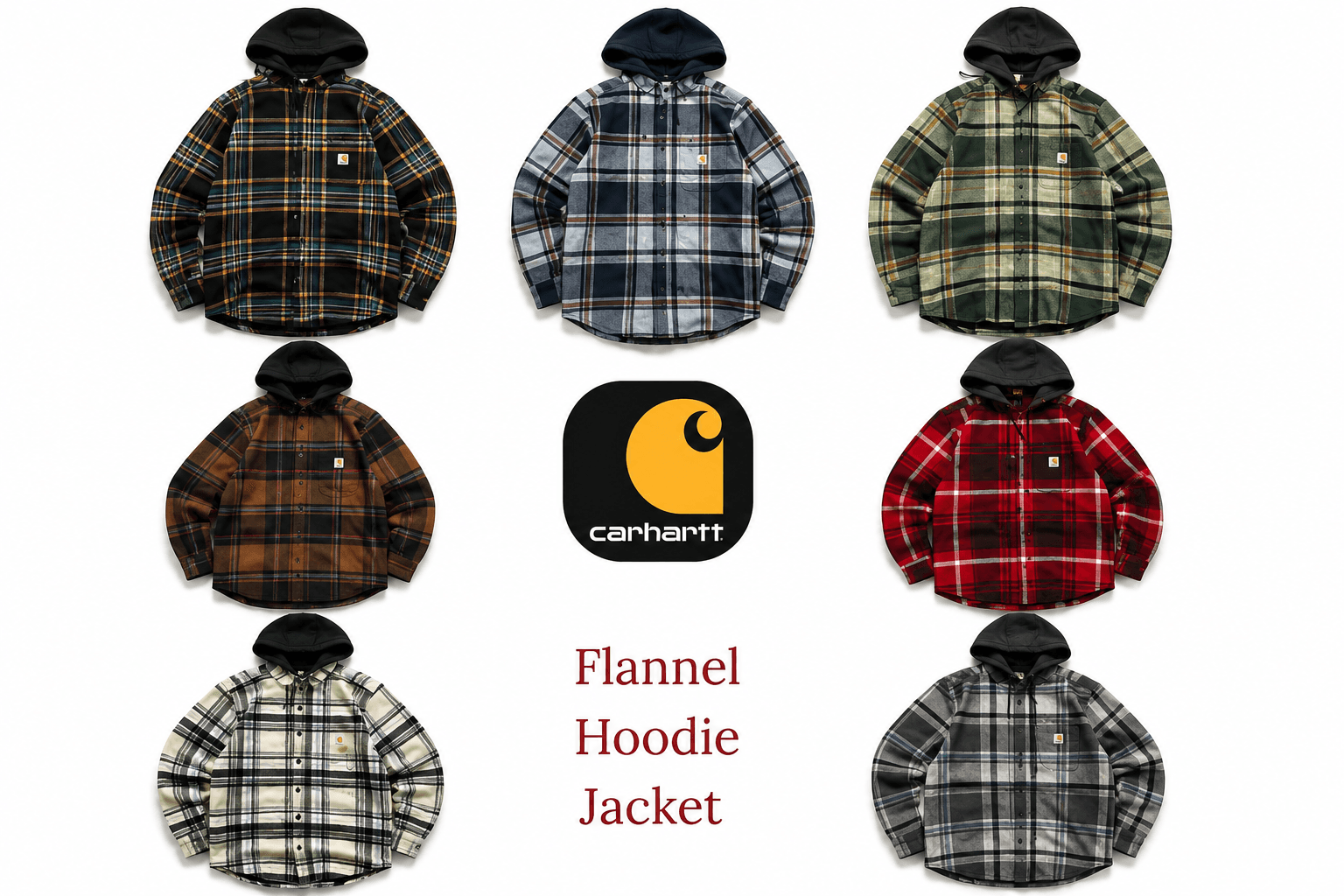
Table of contents
- What Makes a UK City Good for Vintage Clothing?
- Shop Vintage Clothing
- Best Cities for Vintage Clothing in the UK
- London: Best for Vintage Variety
- Manchester: Best for 90s Fashion and Streetwear
- Shop Featured Vintage Pieces
- Brighton: Best for Independent Vintage Fashion
- Leeds: Best for Affordable Vintage Finds
- Bristol: Best for Alternative and Reworked Vintage
- Liverpool: Best for Music-Inspired Vintage
- More Vintage Guides
- Birmingham: Best for Variety and Vintage Markets
- Edinburgh: Best for Heritage and Classic Vintage
- Glasgow: Best for Alternative Vintage
- Nottingham: Best for Affordable Second-Hand Shopping
- Which UK City Is Best for Different Types of Vintage Clothing?
- Best City for 90s Vintage Clothing
- Best City for Y2K Vintage Clothing
- Best City for Vintage Designer Clothing
- Best City for Vintage Workwear
- Best City for Vintage Streetwear
- Best City for Vintage Denim
- Best City for Affordable Vintage Clothing
- Best City for Vintage Markets
- Best UK Cities for Vintage Clothing on a Budget
- Best Vintage Markets and Shopping Events in the UK
- How to Find Good Vintage Clothing in the UK
- How to Shop for Vintage Clothing Online in the UK
- What Is the Difference Between Vintage and Second-Hand Clothing?
- Best UK Cities for 90s and Y2K Vintage Clothing
- How to Plan a UK Vintage Shopping Trip
- Before You Go
- While Shopping
- After Buying
- Best UK Vintage Clothing Cities at a Glance
- Looking for Vintage Clothing Online?
- What Are the Best UK-Based Alternatives to ModCloth for Vintage Workwear?
- Some Product you can Buy
Vintage shopping in the UK isn't evenly spread. Some cities are built around designer resale and sprawling markets while others revolve around 90s sportswear and workwear and a few are known simply for how cheap a good find can be. Knowing which city matches the vintage you're actually after saves a wasted trip and helps online shoppers understand what "vintage" tends to mean in each region.
This guide covers ten UK cities what each is genuinely known for and how to plan a trip or an online order around them in 2026.
What Makes a UK City Good for Vintage Clothing?
Not every city with charity shops counts as a strong vintage destination. A handful of factors separate the cities worth travelling for from the ones that are only average:
Number and variety of shops: a wide spread of independents, not just one or two well-known names.
Independent stores: small, curated shops tend to have more distinctive stock than chain resellers.
Charity shops: a strong charity shop network is often where the cheapest genuine finds turn up.
Vintage markets: regular stalls and market days bring in rotating stock you won't find in permanent shops.
Kilo sales: pay-by-weight events are common in student cities and are worth checking for dates before travelling.
Designer resale: cities with a wealthier retail history tend to have more archive and designer vintage in circulation.
90s and Y2K availability: depends heavily on local buying trends and what's been donated or resold locally.
Americana and workwear: often tied to cities with strong denim, sportswear or streetwear cultures.
Affordability: some cities are simply cheaper to shop in than others, particularly student cities.
Accessibility: how easy it is to cover several shopping areas in a single day.
Different cities suit different shoppers. Someone hunting for Y2K accessories and someone hunting for 1960s tailoring will have very different ideal itineraries which is why this guide breaks things down by city and by style rather than offering a single ranked list.
Shop Vintage Clothing
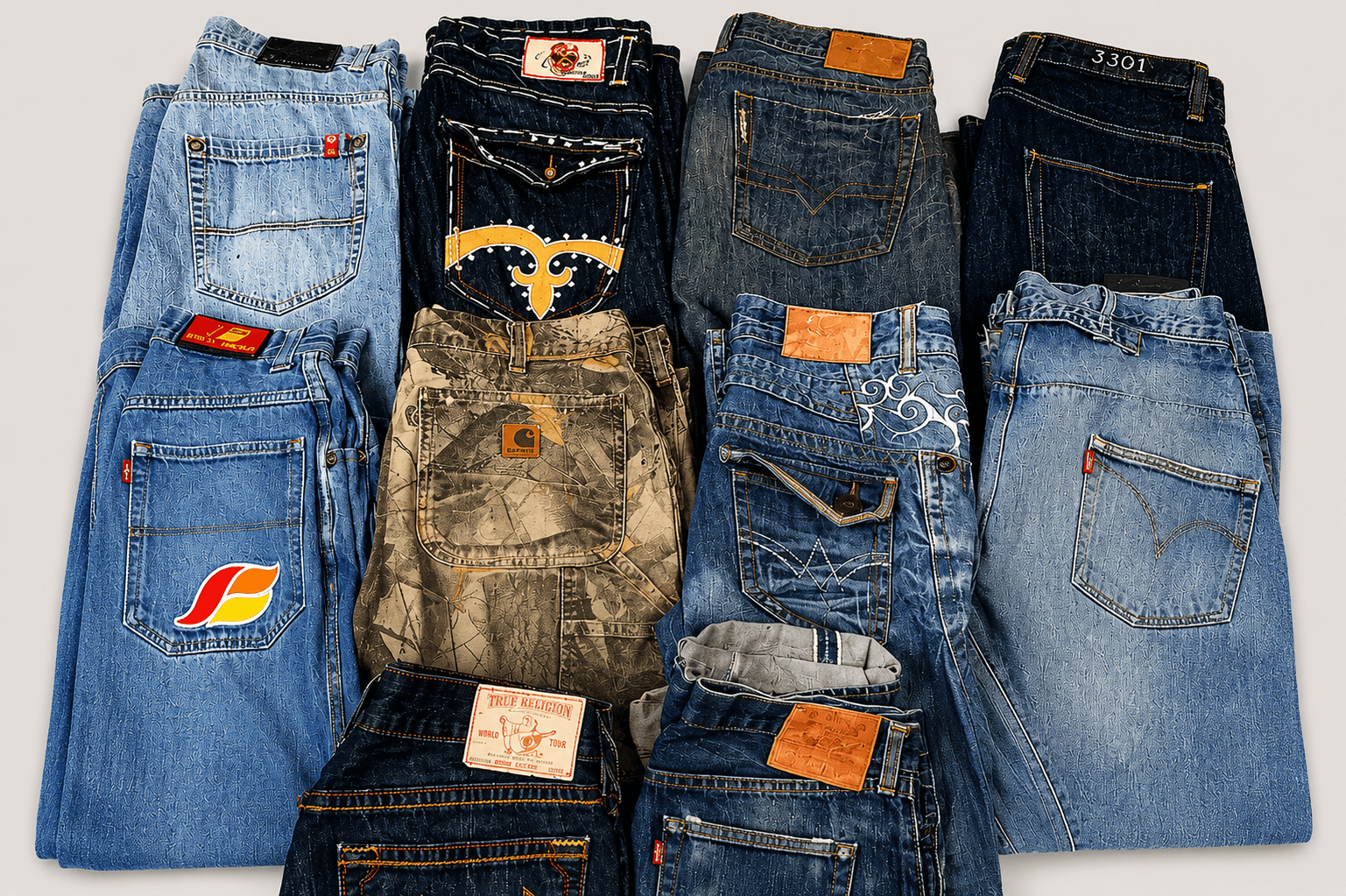
https://riaajvintage.com/product/bundle-of-10-vintage-rare-realtree-camo-cargos-and-denim
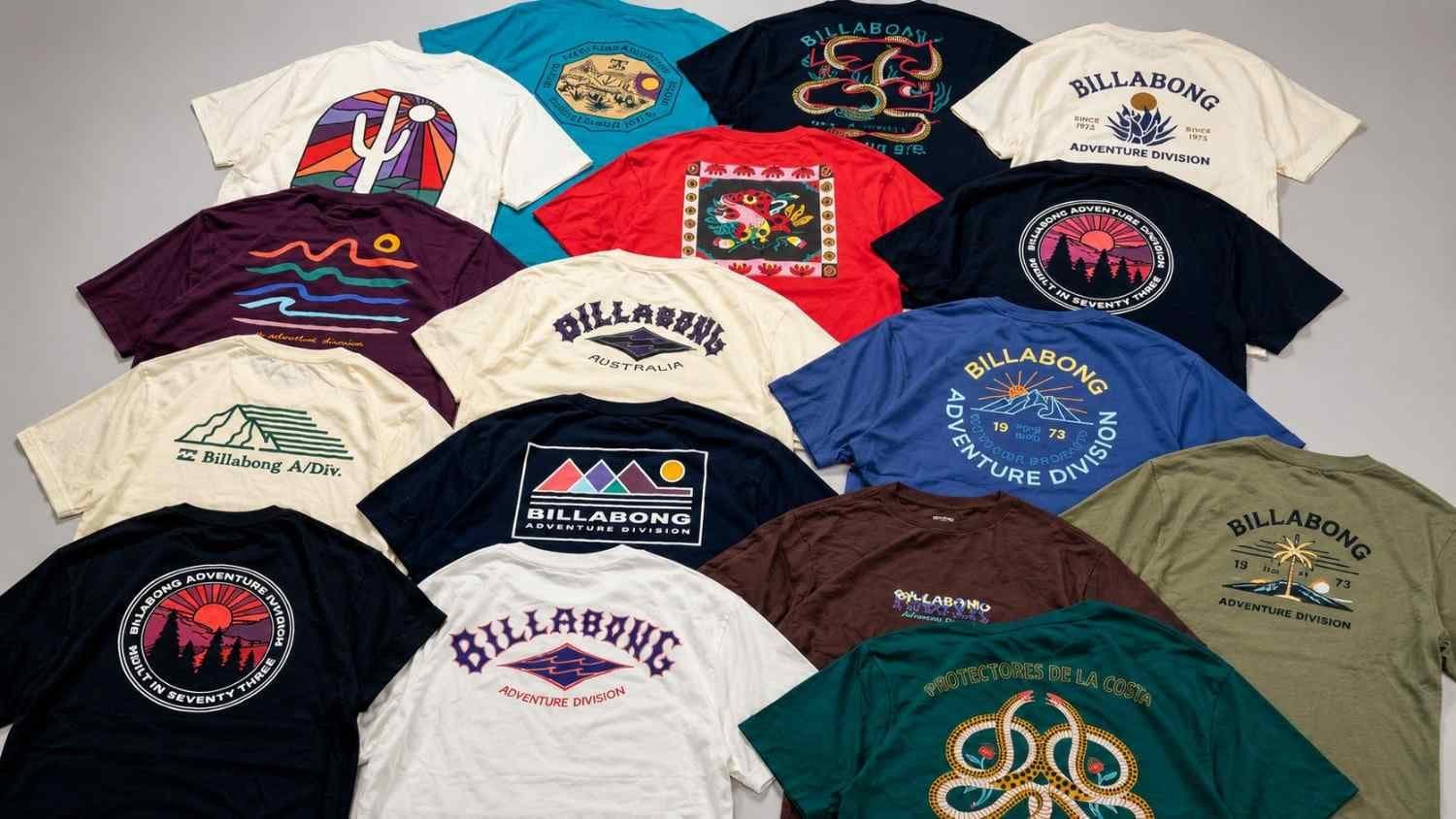
https://riaajvintage.com/product/bundle-of-brand-new-billabong-t-shirt
https://riaajvintage.com/product/bundle-of-20-vintage-polo-ralph-lauren-shirts
https://riaajvintage.com/product/bundle-of-mixed-brand-pants-10-pcs
https://riaajvintage.com/product/bundle-of-billabong-graphic-t-shirt-brand-new
Best Cities for Vintage Clothing in the UK
City | Best For | Popular Vintage Styles | Shopping Experience |
|---|---|---|---|
London | Overall variety | Designer, streetwear, Y2K, Americana | Large scale, mix of markets and curated stores |
Manchester | 90s fashion and streetwear | Sportswear, football shirts, workwear | Concentrated in one district, easy to cover on foot |
Brighton | Independent vintage fashion | 60s/70s, denim, reworked pieces | Compact, boutique-led, strong indie character |
Leeds | Affordable vintage finds | 80s/90s, denim, sportswear | Student-friendly, mix of charity and independent shops |
Bristol | Alternative and reworked vintage | 80s/90s, Y2K, reworked, streetwear | Spread across a few distinct neighbourhoods |
Liverpool | Music-inspired vintage | Denim, leather, 90s sportswear | Walkable, culturally distinct areas |
Birmingham | Variety and vintage markets | Streetwear, designer resale, affordable basics | Markets plus city-centre independents |
Edinburgh | Heritage and classic vintage | Tailoring, tweed, knitwear | Boutique-led, slower-paced browsing |
Glasgow | Alternative vintage | 90s, streetwear, music-scene fashion | Independent-heavy, closely tied to local music culture |
Nottingham | Affordable second-hand shopping | Charity shop finds, student basics | Compact city centre, budget-focused |
London: Best for Vintage Variety
London has more vintage shops than any other UK city by a wide margin and the scene stretches from designer archive rooms to market stalls selling by the kilo.
Areas to know:
Brick Lane and Shoreditch: East London's highest concentration of vintage retail, spanning large curated stores through to small independent stalls. This is the area most associated with London vintage shopping generally.
Camden: known for a more alternative, market-driven feel, with stalls around Camden Lock.
Portobello Road: a long-running market strip on the western side of the city, good for a slower browse and antique-adjacent finds.
Soho and Covent Garden: smaller pockets of vintage retail mixed in with general fashion shopping.
London covers nearly every category: designer vintage 90s sportswear Y2K Americana denim and leather all turn up regularly which is why it suits broad vintage shoppers more than specialists chasing one specific style. It's also the most tourist-friendly city on this list with vintage shopping easy to combine with a wider day out.
Because stock in London moves quickly and appointment-only shops are increasingly common for designer archive pieces it's worth checking a store's current booking policy before visiting.
Manchester: Best for 90s Fashion and Streetwear
Manchester's vintage scene is smaller than London's but punches well above its weight for 90s fashion sportswear and workwear categories that tie directly into the city's football and music history.
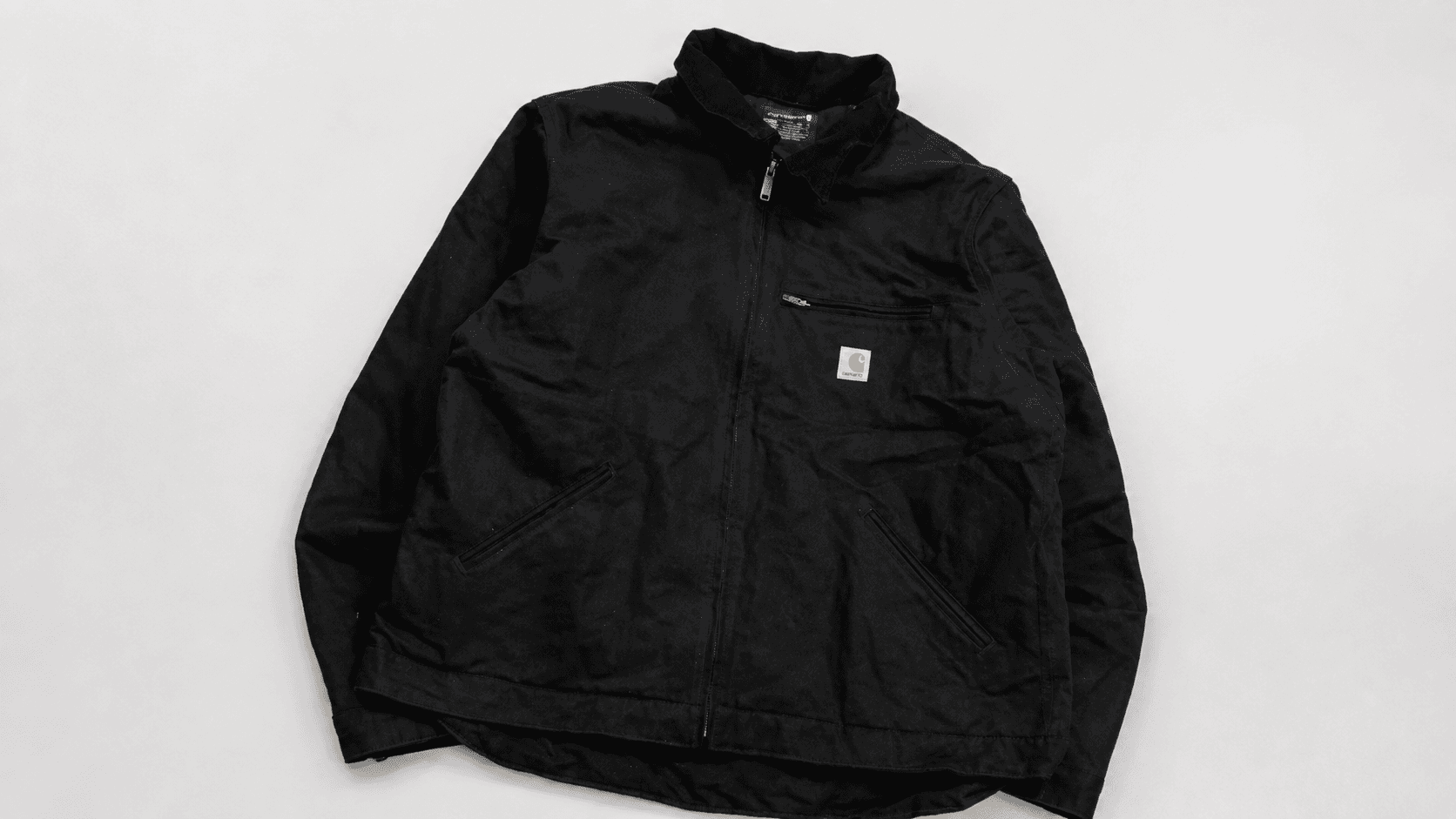
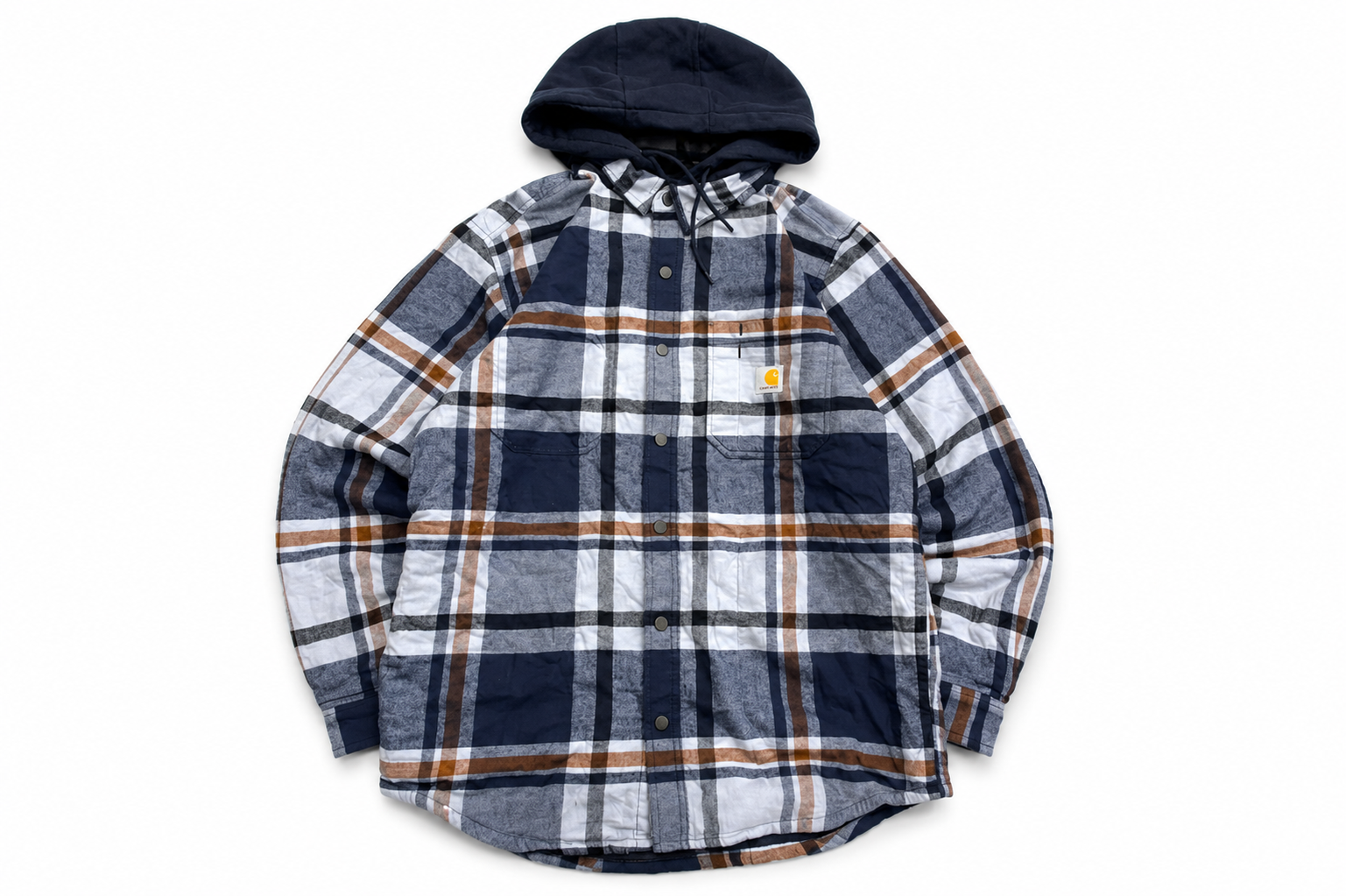
The Northern Quarter is the centre of it: a compact walkable district packed with independent vintage stores several of which specialise in football shirts retro sportswear and Carhartt-style workwear. It's a strong stop for shoppers building a 90s or streetwear-led wardrobe rather than looking for designer archive pieces.
Manchester regularly ranks among the UK's most highly reviewed vintage shopping cities relative to its size which reflects how concentrated and consistent the Northern Quarter's offering is even with a smaller overall shop count than London.
Shop Featured Vintage Pieces
https://riaajvintage.com/product/vintage-carhartt-active-jacket-bundle-10-pcs
https://riaajvintage.com/product/bundle-of-factory-leftover-flannel-hooded-jackets
https://riaajvintage.com/product/bundle-of-factory-leftover-carhartt-hoodies
https://riaajvintage.com/product/bundle-of-20-vintage-polo-ralph-lauren-shirts
Brighton: Best for Independent Vintage Fashion
Brighton has one of the strongest independent vintage identities of any UK city built around North Laine — a warren of narrow streets packed with small owner-run shops rather than large chains.
Expect a strong run of 60s and 70s pieces alongside 90s fashion denim and reworked clothing. Brighton's vintage culture leans creative and slightly eclectic rather than purely commercial which suits shoppers who enjoy digging through varied stock rather than browsing a tightly curated selection.
Because North Laine is compact it's realistic to cover most of the area's vintage shops in a single afternoon making Brighton a good option for a short trip rather than a full weekend.
Leeds: Best for Affordable Vintage Finds
Leeds combines a strong independent vintage scene with a large student population which keeps prices more accessible than in London or Brighton. The city centre has a mix of independent vintage stores and charity shops with a decent spread of 80s and 90s clothing denim and sportswear.
Leeds suits shoppers who want a solid vintage day out without designer-level price tags. it's a practical student-friendly city rather than a destination built around rare archive finds.
Bristol: Best for Alternative and Reworked Vintage
Bristol's vintage scene reflects the city's broader alternative and music culture with a strong lean towards 80s and 90s pieces Y2K styles reworked clothing and streetwear.
Independent stores are spread across a few different neighbourhoods rather than concentrated in one strip so a Bristol vintage trip usually means covering more ground on foot or by bus than in a city like Manchester or Brighton. Areas worth building a route around include the streets near Gloucester Road and Stokes Croft both known for independent retail
generally — check current listings before visiting as the independent shop scene here changes more than in more established vintage districts.
Liverpool: Best for Music-Inspired Vintage
Liverpool's vintage identity is closely tied to its music heritage and that shows up in the clothing — denim leather jackets and 90s sportswear feature heavily.
Bold Street is the best-known vintage shopping strip mixing independent vintage stores with cafes and record shops which makes it easy to turn a shopping trip into a longer day out. The Baltic Triangle area has also developed a reputation for independent and creative retail more broadly and is worth checking for newer vintage stores.
As with other regional cities always confirm which shops are currently trading before building a day around them — independent retail areas shift more quickly than major-city districts.
More Vintage Guides
https://riaajvintage.com/blog/vintage-carhartt-clothing-jackets-t-shirts-more
https://riaajvintage.com/blog/best-men-s-barbour-jackets-for-resale-value
https://riaajvintage.com/blog/levi-s-vintage-clothing-how-to-identify-authentic-pieces
https://riaajvintage.com/blog/levi-s-vintage-clothing-authentic-lvc-denim-apparel-riaaj-vintage
Birmingham: Best for Variety and Vintage Markets
Birmingham doesn't have a single defining vintage strip in the way Manchester or Brighton do but it makes up for that with variety: city-centre independents charity shops markets and pockets of designer resale.
This makes Birmingham a solid option for shoppers who want a bit of everything in one trip — streetwear affordable basics and the occasional designer piece — rather than a city built around one specific aesthetic. Market days are worth checking in advance since stalls and rotating stock make up a meaningful part of Birmingham's vintage offering.
Edinburgh: Best for Heritage and Classic Vintage
Edinburgh's vintage scene is distinct from the rest of this list: it leans towards tailoring tweed knitwear and heritage clothing rather than 90s or Y2K fashion. Independent boutiques dominate often with a smaller more considered stock selection than the volume-driven shops found in bigger cities.
This makes Edinburgh a strong stop for shoppers after classic and designer vintage — well-made outerwear tailoring and knitwear — rather than sportswear or streetwear. It suits a slower more deliberate style of shopping than a city like London or Manchester.
Glasgow: Best for Alternative Vintage
Glasgow's vintage scene is closely tied to its music and alternative culture with independent stores leaning towards 90s fashion streetwear and pieces with a distinctly alternative edge. Vintage markets pop up periodically alongside the permanent independent stores so it's worth checking local listings before a trip.
Glasgow suits shoppers who want something a little different from the mainstream 90s or Y2K look found elsewhere — it has its own identifiable aesthetic shaped by the city's broader creative scene.
Nottingham: Best for Affordable Second-Hand Shopping
Nottingham is one of the more budget-friendly cities on this list with a strong charity shop network and a handful of independent vintage stores in the city centre. Like Leeds it benefits from a large student population which keeps prices accessible and turnover reasonably high.
Nottingham isn't the city to visit for designer archive pieces or a huge range of shops but for straightforward affordable second-hand and vintage basics it's a dependable option.
Which UK City Is Best for Different Types of Vintage Clothing?
Best City for 90s Vintage Clothing
Manchester is the strongest option thanks to the concentration of 90s sportswear football shirts and workwear in the Northern Quarter. London and Bristol are also strong alternatives with broader stock ranges.
Best City for Y2K Vintage Clothing
London currently has the deepest Y2K stock particularly around East London where designer-era 2000s pieces and Y2K accessories circulate through both curated shops and market stalls. Bristol is a reasonable second option for Y2K with a more alternative edge.
Best City for Vintage Designer Clothing
London and Edinburgh both stand out here though for different reasons. London has the largest volume of designer archive pieces often through appointment-only or curated stores. Edinburgh's boutiques offer a smaller but well-considered selection of classic designer and heritage pieces.
Best City for Vintage Workwear
Manchester is the clearest choice with several Northern Quarter shops built around Carhartt-style workwear and utility pieces. Birmingham and Bristol also carry a reasonable amount of workwear stock.
Best City for Vintage Streetwear
Manchester and Glasgow both lean heavily into streetwear tied to their respective music and football cultures. London also carries strong streetwear stock simply due to the sheer number of shops.
Best City for Vintage Denim
Brighton and Liverpool are both strong denim destinations with independent shops in North Laine and Bold Street regularly stocking a good spread of vintage jeans and jackets.
Best City for Affordable Vintage Clothing
Nottingham and Leeds are the most consistently affordable helped by large student populations and strong charity shop networks. Birmingham is a close third thanks to its markets.
Best City for Vintage Markets
Birmingham and London both stand out for market-based vintage shopping with regular stalls and rotating stock supplementing the permanent shops in each city.
Best UK Cities for Vintage Clothing on a Budget
Budget-conscious vintage shopping in the UK usually comes down to a few reliable formats rather than any one city:
Charity shops: still the most consistent source of genuinely cheap vintage particularly in student cities like Leeds and Nottingham.
Kilo sales: pay-by-weight events that turn up periodically in most major cities worth following local vintage sellers on social media for dates.
Flea markets: casual rotating stalls that tend to have lower prices than permanent shops.
Vintage warehouses: larger operations that buy in bulk and price accordingly more common in London Manchester and Birmingham.
Car boot sales: inconsistent but occasionally excellent for very cheap finds particularly in spring and summer.
Student areas: cities with large student populations (Leeds, Nottingham, Bristol) tend to have more competitively priced independent shops.
Best Vintage Markets and Shopping Events in the UK
UK vintage shopping isn't limited to permanent shops. A few different formats are worth knowing:
Vintage markets: regular or semi-regular markets dedicated specifically to vintage and second-hand clothing, common in London Birmingham and Manchester.
Flea markets: broader in scope mixing clothing with homeware and antiques.
Kilo sales: pay-by-weight events often run by independent vintage traders that appear in most major cities on a rotating schedule.
Car boot sales: informal unpredictable but sometimes the source of the best individual finds.
Indoor markets: permanent indoor spaces with multiple vintage traders under one roof more common in northern cities.
Pop-up vintage events: one-off events tied to specific dates often promoted mainly through social media.
How to Find Good Vintage Clothing in the UK
Buying vintage well is a skill, and it applies whether you're in a shop or scrolling listings online:
Fabric: natural fibres (cotton, wool, silk) tend to age better than synthetic blends common in newer fast fashion.
Stitching: check seams for looseness fraying or previous repairs.
Labels: care labels and brand tags can help place roughly when a garment was made.
Measurements: vintage sizing rarely matches modern sizing so measure the garment rather than relying on the tagged size.
Condition: check for staining discolouration and fabric thinning particularly under arms and at seams.
Repairs : some repairs are fine (and part of a garment's history) but check they've been done properly.
Age indicators: details like zip type stitching style and label design can help estimate a garment's era.
Authenticity: for designer pieces check stitching quality hardware and label consistency against known references.
Vintage sizing: as a general rule vintage sizing runs smaller than modern equivalents particularly for pieces from before the 1990s.
How to Shop for Vintage Clothing Online in the UK
Physical vintage shopping is hard to beat for discovering local stores and browsing unpredictable stock in person. But it's inherently limited by geography you can only see what's in front of you on the day. Online vintage shopping opens up a much wider selection without needing to travel between cities to compare denim in Brighton against workwear in Manchester.
Measurements: always check garment measurements rather than relying on the listed size since sizing conventions vary by era and brand.
Product photos: look for clear photos of any flaws not just flattering angles.
Condition descriptions: a good listing will describe wear honestly rather than using vague terms like "good condition" with no detail.
Authenticity: for designer pieces, check whether the seller provides any verification detail or close-up shots of labels and hardware.
Seller reputation: reviews and previous sales history are a reasonable indicator of reliability.
Returns: check the returns policy before buying, particularly for anything bought on measurements alone.
Shipping: factor in delivery times and costs, especially for international buyers.
Product descriptions: thorough descriptions (era fabric fit notes) tend to come from more serious sellers.
What Is the Difference Between Vintage and Second-Hand Clothing?
Vintage generally refers to older garments associated with a particular era or historical style most commonly pieces from at least 20 years ago that reflect the design fabric or construction typical of their time.
Second-hand simply means previously owned clothing regardless of age or style. A second-hand garment bought last year from a charity shop isn't vintage; a garment from the 1990s bought new-with-tags from deadstock still is because the era is what defines "vintage" not the ownership history.
Retailers and shoppers don't always use the terms consistently some use "vintage" loosely to describe anything older or retro-styled while others reserve it strictly for pre-2000s pieces. Worth checking a seller's own definition if it matters for what you're buying.
Best UK Cities for 90s and Y2K Vintage Clothing
Five cities stand out specifically for 90s and Y2K stock:
London: the widest range from Y2K designer pieces to 90s streetwear spread across multiple areas.
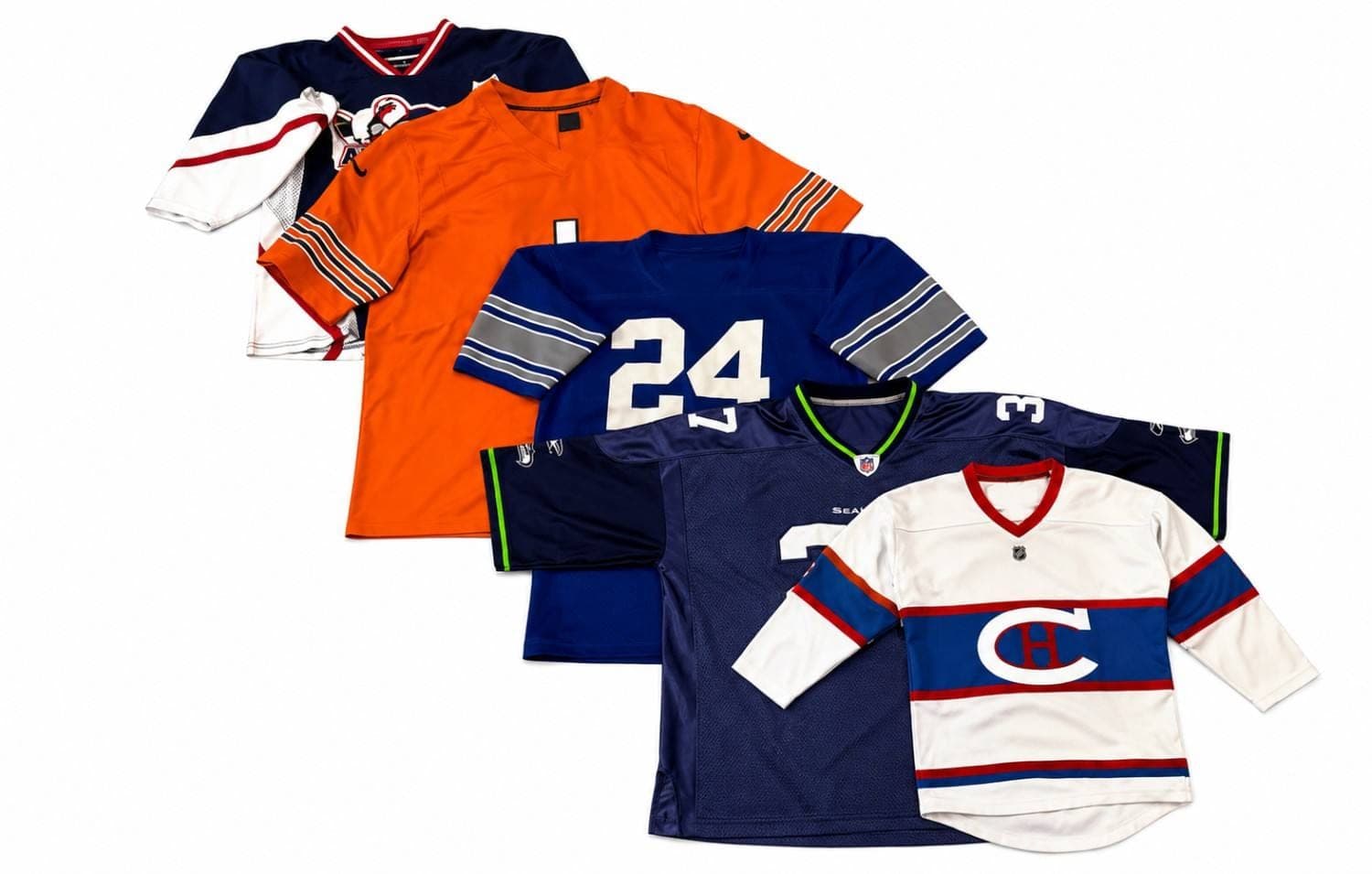
Manchester: the strongest for 90s sportswear track jackets and football shirts specifically.
Brighton: a good mix of 90s denim and some Y2K accessories alongside its broader independent scene.
Bristol: leans towards Y2K and reworked 90s pieces with an alternative edge.
Leeds: solid for affordable 90s denim and sportswear particularly through charity shops and independents.
Shoppers chasing 90s and Y2K pieces are typically looking for sportswear denim graphic T-shirts track jackets leather jackets mini skirts oversized tailoring branded streetwear and Y2K accessories availability varies by shop and season so don't expect every category to be in stock everywhere at once.
How to Plan a UK Vintage Shopping Trip
Before You Go
Check each shop's current opening hours these change more often than people expect especially for smaller independents.
Confirm current store information via the shop's website or social media rather than relying on older articles.
Check market dates if you're planning around a specific event.
Set a budget before you start especially if visiting multiple cities.
Make a rough shopping list so you're not browsing without any direction.
While Shopping
Compare prices across a few shops before committing to a bigger purchase.
Check measurements against your own rather than trusting the tagged size.
Inspect for stains particularly in less obvious spots like underarms and collars.
Check seams for looseness or previous repairs.
Read labels for fabric content and care instructions.
Assess overall condition honestly before buying.
After Buying
Clean garments appropriately for their fabric some vintage pieces need specialist or hand-washing.
Store garments correctly away from damp and direct sunlight.
Keep care labels where possible even if you remove them for comfort.
Record the brand and era where known particularly for anything you might resell later.
Best UK Vintage Clothing Cities at a Glance
S NO | City | Highlight |
|---|---|---|
01 | London | Best overall variety |
02 | Manchester | 90s and streetwear |
03 | Brighton | Independent vintage |
04 | Leeds | Affordable vintage |
05 | Bristol | Alternative vintage |
06 | Liverpool | Music and streetwear |
Looking for Vintage Clothing Online?
Travelling between cities to compare vintage stock is not always practical. Shopping online gives you access to a wider selection without being limited by location or what happens to be available in a shop on a particular day.
Riaaj Vintage offers vintage clothing and wholesale stock across categories including Vintage Clothing Wholesale UK, 90s Vintage Clothing Vintage Streetwear and classic workwear from brands such as Carhartt and Levi's. For shoppers and resellers it can be a convenient way to discover vintage pieces beyond their local area.
What Are the Best UK-Based Alternatives to ModCloth for Vintage Workwear?
If you are searching for UK-based alternatives to ModCloth for vintage workwear then several specialist vintage retailers are worth considering. Beyond Retro is a popular choice for vintage workwear with pieces from brands such as Dickies and Carhartt along with jackets trousers dungarees and shirts. Rokit is another option for shoppers looking for vintage workwear from brands including Dickies Carhartt Timberland and Pendleton.
For shoppers who prefer a more curated selection Worne London offers vintage pieces with a strong connection to workwear and streetwear. Hang Up Vintage is also worth exploring for older Americana and traditional workwear styles. These retailers offer genuine vintage garments rather than simply reproducing the look of older clothing. For anyone interested in durable fabrics authentic wear and classic workwear details UK vintage retailers can be a useful alternative when searching for distinctive pieces.
Some Product you can Buy
https://riaajvintage.com/product/bundle-of-carhartt-wip-graphic-print-t-shirt-msrjbteisx4a
https://riaajvintage.com/product/bundle-of-vintage-true-religion-bootcut-denim
https://riaajvintage.com/product/bundle-of-10-vintage-levis-512-bootcut-jeans