What Is Vintage Clothing? A Complete Guide to Vintage Fashion
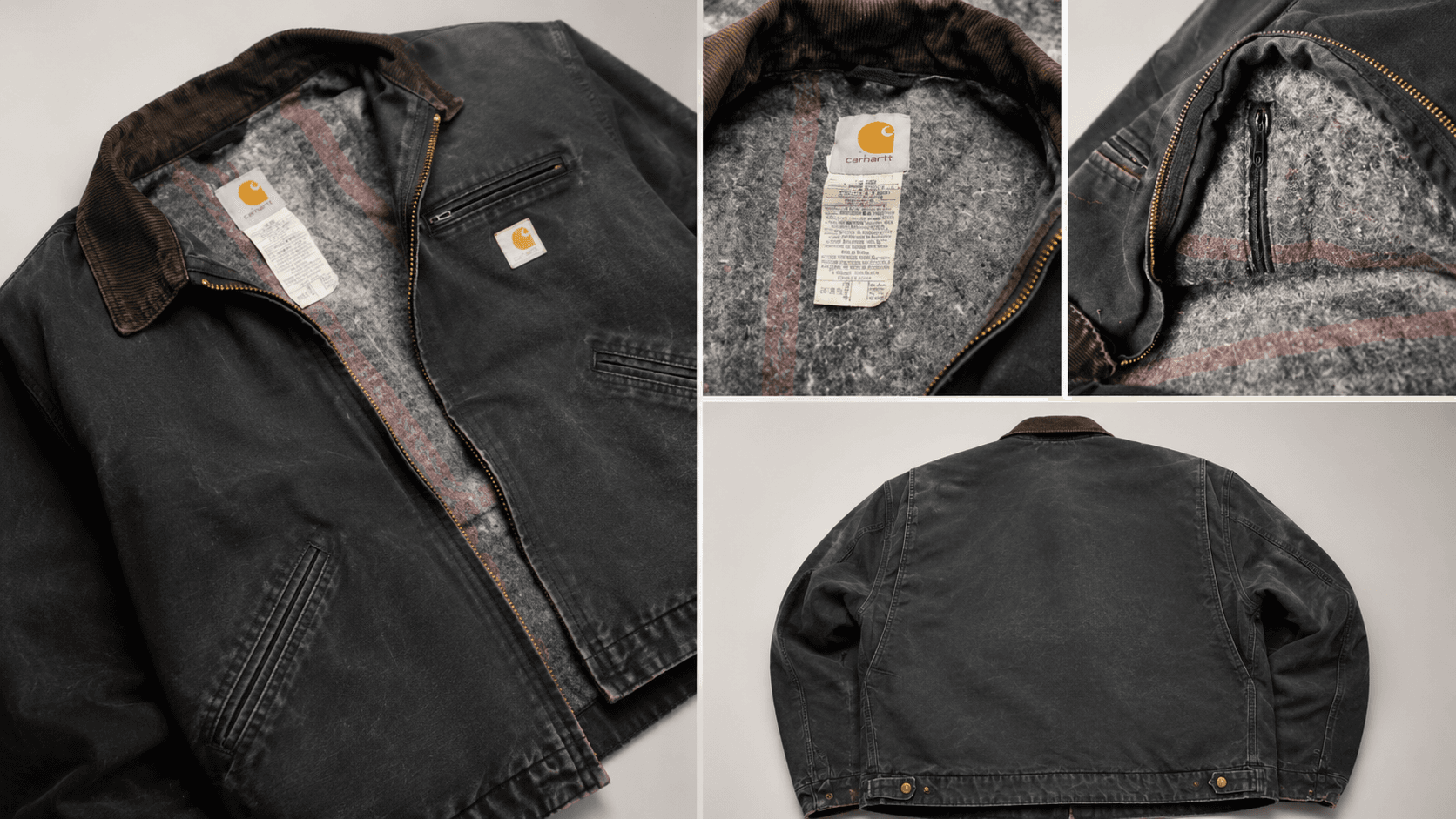
Table of contents
- What Is Vintage Clothing?
- How Old Does Clothing Have to Be to Be Considered Vintage?
- How to Identify Vintage Clothing
- Check the Label:
- Examine the Fabric and Construction
- Look at the Fit and Sizing
- Look for Signs of Age
- Vintage vs Retro vs Secondhand vs Antique Clothing
- What Is Retro Clothing?
- Vintage Fashion History: How Vintage Styles Changed Over Time
- Vintage Fashion Styles for Women
- Articles
- Is Vintage Clothing Used?
- What Is a Vintage Shop?
- Why Do People Buy Vintage Clothing?
- Vintage Clothing Products
- How to Buy Vintage Clothing
- Popular Types of Vintage Clothing
- FAQs
- What is vintage clothing?
- How old does clothing have to be to be vintage?
- How can you identify vintage clothing?
- Is vintage clothing always used?
- What is the difference between vintage and retro clothing?
- What is a vintage shop?
- Why is vintage clothing popular?
- What is deadstock vintage clothing?
- Is vintage clothing sustainable?
- What is the difference between vintage and antique clothing?
Vintage clothing is clothing made in a past era usually at least 20 years ago that reflects the design, fabric, and construction methods typical of the time it was produced. It's not simply "old clothes" or "used clothes" A garment earns the label "vintage" because it genuinely comes from an earlier period of fashion not because it looks old or has been styled to look that way.
This distinction trips up a lot of new buyers. Someone might assume that any secondhand item is vintage or that a "retro-style" dress from a fast-fashion brand counts too. Neither is accurate and understanding why matters if you want to buy with confidence whether you're shopping for a single standout piece or sourcing stock to resell.
In this guide we'll walk through what vintage actually means how old something has to be to qualify how to identify vintage pieces yourself how vintage differs from retro secondhand and antique clothing, and how vintage style has evolved decade by decade. Along the way we'll draw on how Riaaj Vintage sources and describes its own stock since practical accurate identification is central to buying vintage well.
What Is Vintage Clothing?
In fashion, the word "vintage" refers to a garment that was manufactured during a specific identifiable period in the past and that still reflects the materials cut and construction typical of that period. A dependable vintage definition centers on two things the garment's actual production era and whether it still carries the visual and structural hallmarks of that era.
Age is central to this definition but it isn't the only thing that matters. A pair of jeans from the 1980s that has been heavily altered re-dyed or replaced piece by piece with modern components loses some of what makes it vintage even though it started life decades ago. Conversely an item from a well-defined era with its original label construction and fabric intact is a much clearer example of true vintage.
Examples of vintage:
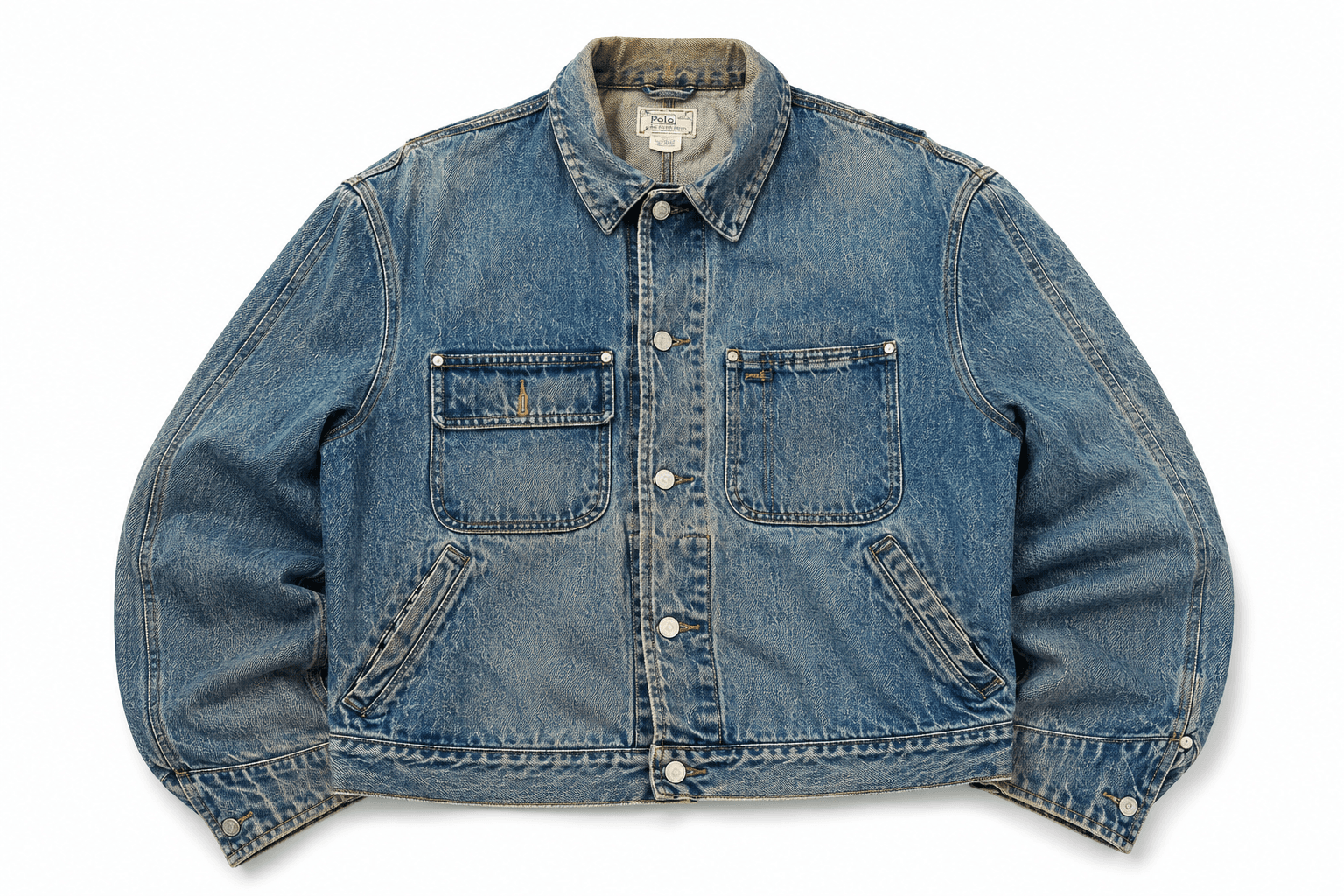
A 1970s corduroy jacket with a period-correct label and stitching.
A pair of 1990s Levi's 501s with the fabric weight and selvedge details typical of that decade.
A hand-knit 1960s cardigan with vintage-style buttons and construction.
A 1980s varsity jacket made from wool body panels and leather sleeves styles common to that decade.
How Old Does Clothing Have to Be to Be Considered Vintage?
The most commonly used guideline among sellers collectors and vintage fashion communities is that a garment needs to be at least 20 years old to be called vintage. This isn't a legal rule it's a convention that's shifted over time as fashion cycles have sped up and as more decades have become "distant enough" to feel historical.
You'll find some disagreement at the edges. Some sellers use 20 years as a strict cutoff others reserve "vintage" for pieces at least 25–30 years old and use "retro" or "modern vintage" for anything newer. What most people agree on is that the production era matters more than a specific number a garment should visibly belong to a defined period of design and manufacturing not just have aged past a certain date.
This is why an item's era is usually more useful to buyers than its exact age in years. A 1990s piece and a 2000s piece can look and feel very different even though both may now qualify as "vintage" by the 20-year guideline.
Era | Common characteristics | Examples of styles |
|---|---|---|
1960s–70s | Natural fibers, boxy or A-line cuts, heavier construction, visible union or country-of-origin labels | Corduroy jackets, denim, knit cardigans |
1980s | Bold shoulders, bright colors, mixed synthetic-natural fabrics | Varsity jackets, windbreakers, power blazers |
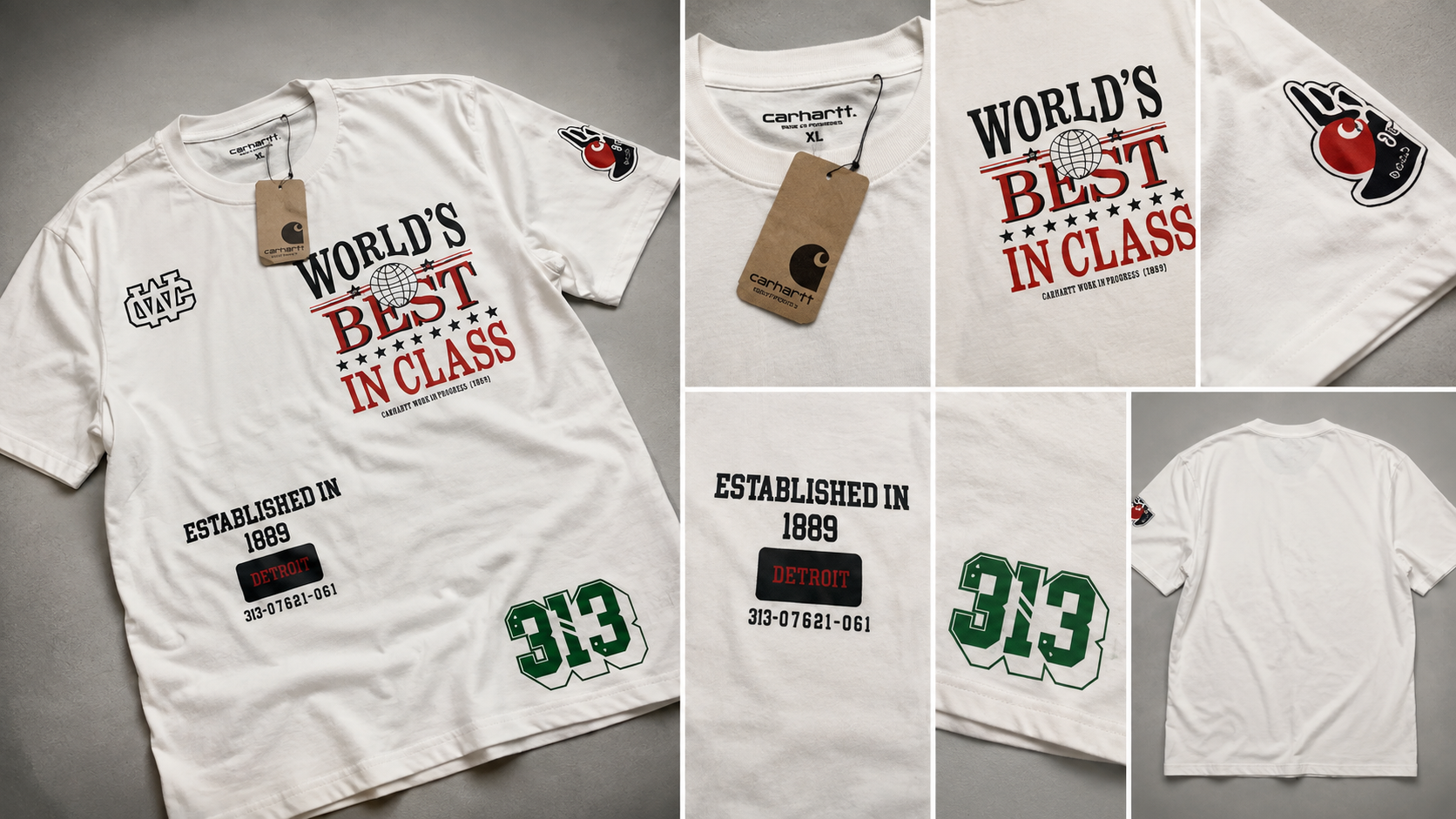
Early 2000s / Y2K | Slimmer or low-rise cuts, logo-heavy branding, synthetic blends | Track jackets, graphic tees, low-rise denim |
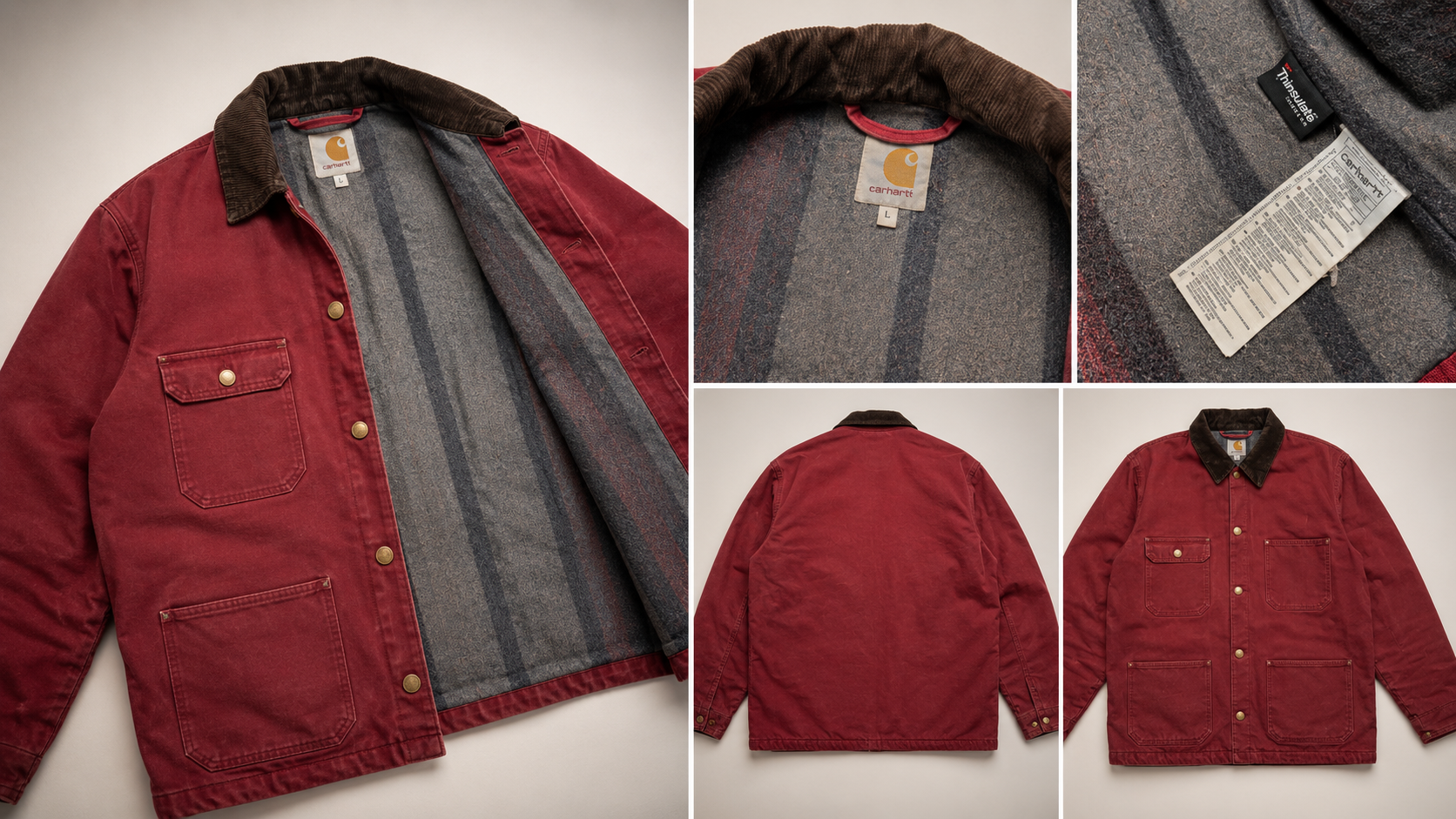
1990s | Looser fits, grunge and workwear influence, early branded sportswear | Flannel shirts, Carhartt workwear, denim jackets |
How to Identify Vintage Clothing
Knowing how to identify vintage clothing is one of the most useful skills a buyer can have whether you're building a personal wardrobe or sourcing pieces to resell. No single detail proves an item is vintage on its own identification comes from reading several clues together.
Check the Label:
The label is usually the first thing worth examining.
Look at:
Brand label: does the logo font or wording match a known era of that brand's history?
Label design: older labels are often simpler sometimes woven rather than printed and may lack modern design elements.
Country of manufacture: production shifted significantly over the decades (for example more US-made garments in earlier periods more offshore manufacturing from the 1990s onward) so this can help narrow down an era.
Care label: care symbols and wording standards have changed over time older care labels often look noticeably different from current ones.
Label construction: how the label is attached (sewn in, stamped printed directly onto fabric) varies by period and can be a useful clue.
Examine the Fabric and Construction
Fabric and construction quality often reveal a lot:
Fabric: heavier cotton wool and natural-fiber blends were more common before synthetic blends became standard.
Stitching: older garments frequently used denser more consistent stitching than mass-produced modern equivalents.
Seams: flat-felled seams chain stitching and certain seam finishes are more typical of earlier manufacturing methods.
Buttons: material (metal, bone, early plastics) and attachment method can hint at age.
Zippers: metal zippers with specific brand stamps (rather than modern plastic-coil zippers) often point to an earlier era.
Manufacturing details: details like single-needle stitching or specific pocket construction are sometimes associated with particular decades.
Look at the Fit and Sizing
Vintage sizing frequently doesn't match modern sizing. Sizing standards have shifted multiple times over the decades and a garment tagged as one size may fit closer to a different modern size. Because of this it's far more reliable to check actual garment measurements chest waist length rather than relying on the tagged size alone.
Look for Signs of Age
Genuine wear can support (but never fully prove) that a piece is vintage:
Fading: natural uneven fading from years of wear and washing
Wear patterns: soft wear at collars cuffs and seams that develops gradually
Fabric characteristics: a certain softness or fabric "hand" that comes from years of natural fiber wear
Construction details: small repairs replaced buttons or era-appropriate mending
Vintage vs Retro vs Secondhand vs Antique Clothing
These four terms get mixed up constantly but they describe genuinely different things.
Term | What it means | Example |
|---|---|---|
Vintage | Made during an earlier identifiable era (commonly 20+ years old) and reflecting that era's design and construction | A 1990s Carhartt workwear jacket |
Retro | New or recent clothing designed to imitate the look of an earlier era | A modern jacket cut and printed to look like 1970s style |
Secondhand | Previously owned clothing of any age not necessarily from a distinct fashion era | A pair of jeans from three years ago bought used |
Antique | Typically applied to garments 100+ years old closer to a museum or historical classification than everyday wear | An early 1900s hand-sewn garment |
What Is Retro Clothing?
Retro clothing is newly made (or relatively recent) clothing that's designed or styled to resemble the look of an earlier decade. It borrows the visual language of the past silhouettes prints colors without actually being manufactured in that period.
This is the key difference between vintage and retro vintage clothing is authentically old while retro clothing is new clothing referencing an old style. A brand-new dress cut to look like it's from the 1950s is retro not vintage no matter how convincing the styling is. Retro pieces can be a good option if you like a certain era's aesthetic but want modern sizing fabric or fit but they're a different category from genuine vintage and worth understanding as such if authenticity matters to you.
Vintage Fashion History: How Vintage Styles Changed Over Time
Understanding how vintage fashion history unfolded decade by decade makes it much easier to recognize and place a piece.
1940s: Wartime fabric restrictions led to simpler, more tailored silhouettes with less excess fabric. Structured shoulders and practical, utilitarian design were common.
1950s: A return to fuller silhouettes after wartime rationing eased, including fitted waists and fuller skirts, alongside a rise in more structured tailoring for both formal and everyday wear.
1960s: Silhouettes became more varied ranging from tailored structured pieces to looser, youth-driven styles as fashion began responding faster to cultural shifts.
1970s: Natural fibers looser and more relaxed cuts and a strong presence of denim and corduroy defined much of the decade's everyday clothing.
1980s: Bold shoulders bright colors and a mix of synthetic and natural fabrics marked a shift toward statement-driven design along with the rise of branded sportswear.
1990s: Looser more relaxed fits took hold alongside growing workwear and grunge influence and the increasing presence of branded streetwear and sportswear.
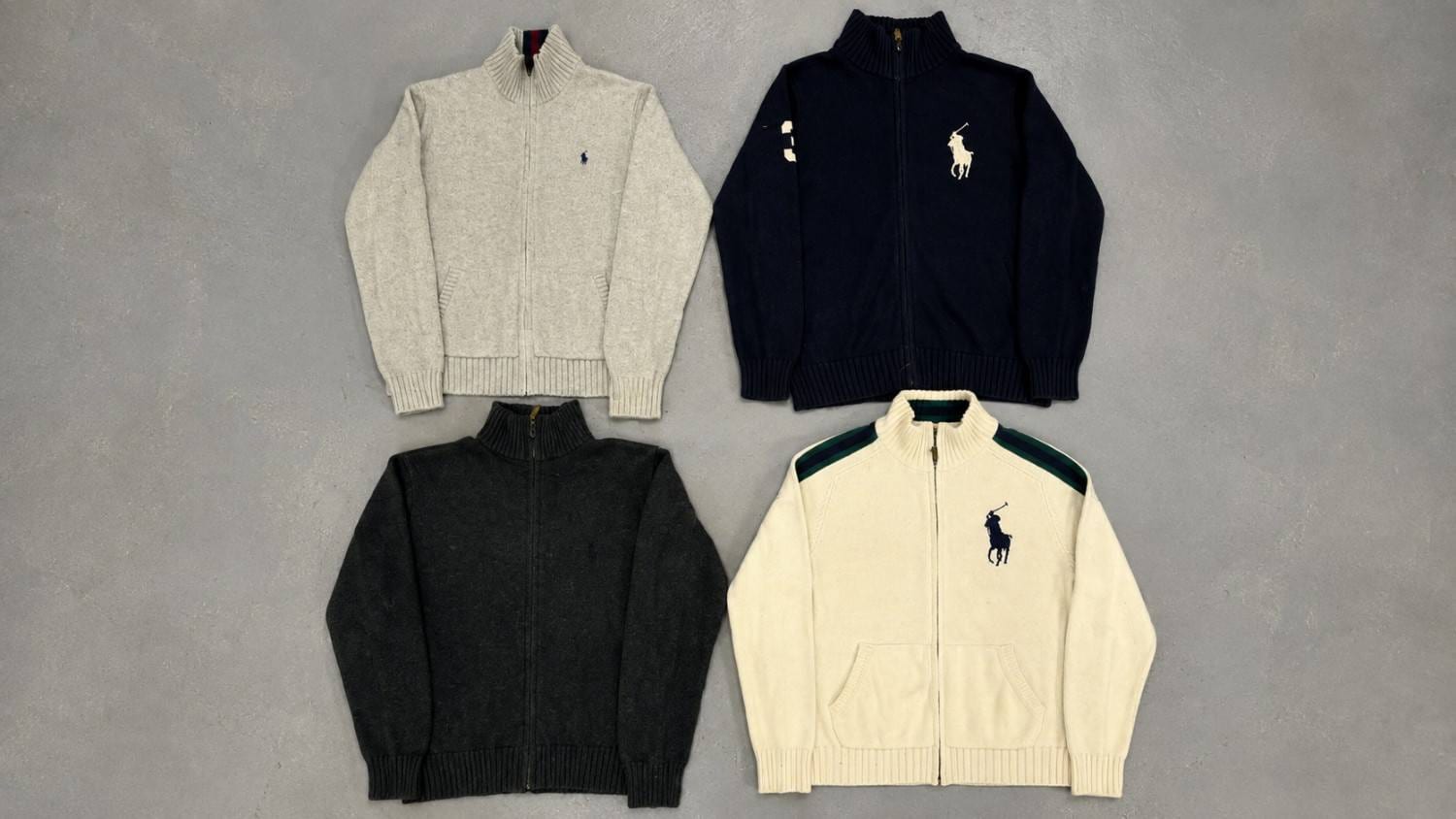
Y2K / early 2000s: Slimmer and low-rise cuts heavy logo branding and more synthetic fabric blends became common reflecting the era's fast-moving trend-driven fashion cycle.
Vintage Fashion Styles for Women
Vintage fashion style for women spans a wide range of categories and the details vary significantly by era.
Dresses: silhouettes shifted from fitted structured 1950s cuts to looser flowing 1970s styles and later to fitted 1990s slip dresses.
Denim: vintage denim varies by decade in cut wash and construction from higher waisted 1970s styles to looser 1990s fits to low-rise Y2K cuts.
Blouses: fabric and detailing (collars sleeve shapes) shifted decade to decade often reflecting the broader silhouette trends of the time.
Skirts: lengths and shapes moved between fuller 1950s skirts minis in later decades and more relaxed maxi styles in the 1970s.
Jackets: structured blazers denim jackets and varsity style jackets all represent different eras and aesthetics.
Workwear: utilitarian jackets and coveralls often originally functional garments became popular vintage staples valued for their durability and construction.
Y2K-inspired styles: low-rise fits logo-heavy branding and fitted silhouettes define this more recent vintage category.
Articles
https://riaajvintage.com/blog/best-wholesale-vintage-suppliers
https://riaajvintage.com/blog/3-simple-ways-to-spot-a-fake-ralph-lauren
https://riaajvintage.com/blog/handpicked-vintage-clothing-collection
Is Vintage Clothing Used?
Often yes but not always and "vintage" doesn't automatically mean "used" Many vintage garments were previously owned and worn which is part of what gives them natural wear and character. But some vintage stock is what's known as deadstock or new old stock (NOS) original unsold inventory from decades ago that was never worn or in some cases never sold at all.
The key distinction is between a garment's age and its ownership history. An item can be old (vintage) without having been used and an item can be recently made and used without being vintage at all. When buying it's worth checking whether a listing specifies deadstock versus previously worn condition since this affects both price and what to expect in terms of wear.
What Is a Vintage Shop?
A vintage shop is a retailer that specifically sources curates and sells clothing from earlier eras as opposed to a general secondhand or thrift store which typically stocks used clothing of any age including recent items.
The difference comes down to curation and expertise. A vintage shop generally selects pieces based on era condition and authenticity and provides more detail about each item measurements era fabric and condition notes rather than simply pricing used clothing by category. Buyers shopping at a genuine vintage shop can typically expect.
Clear information about the item's era or decade
Actual garment measurements not just a size label
Honest notes on condition and any flaws
Some context on fabric construction or brand history where relevant
Why Do People Buy Vintage Clothing?
The reasons vary but a few come up consistently:
Individual style: vintage pieces let people build a look that isn't identical to what's currently on every rack.
Historical interest: some buyers are drawn to the design and craftsmanship of a specific era.
Rarity: many vintage pieces are no longer in production, so they're inherently limited.
Older design details: certain cuts fabrics or construction methods from past decades aren't widely used in current mass production.
Collecting: some buyers focus on specific brands, eras, or garment types.
Personal expression: vintage shopping often reflects a preference for pieces with more individual character.
Reuse and sustainability: buying existing garments extends their usable life rather than creating demand for new production.
Vintage Clothing Products
https://riaajvintage.com/product/vintage-dolce-gabbana-denim-jeans
https://riaajvintage.com/product/fubu-multicolor-basketball-shorts
https://riaajvintage.com/product/vintage-ed-hardy-crazy-skull-embroidered-baggy-denim-size-40
How to Buy Vintage Clothing
A few practical habits make vintage buying much more reliable:
Check measurements: always compare actual garment measurements to your own, rather than trusting the tagged size.
Understand condition: read condition notes carefully and don't assume "vintage" means flawless.
Check material: knowing the fabric helps you judge durability care needs and fit.
Look at labels: labels can help confirm era and authenticity as covered earlier in this guide.
Ask about flaws: if a listing isn't detailed ask the seller directly about wear repairs or damage.
Understand vintage vs. vintage-inspired: confirm whether an item is genuinely from the era it references or a modern piece styled to look that way.
Consider how it fits your wardrobe: vintage pieces often work best when they complement rather than fight with the rest of what you already wear.
Popular Types of Vintage Clothing
Some categories come up especially often in vintage collections:
Vintage jackets: from varsity styles to structured blazers jackets are one of the most collected vintage categories.
Vintage T-shirts: valued for graphics, branding, and fabric weight that differ from current production.
Vintage denim: jeans and jackets whose cut, wash, and construction vary meaningfully by decade.
Vintage sweatshirts: often prized for heavier fabric and earlier print or embroidery techniques.
Vintage workwear: durablefunction-first garments that have remained popular for their construction and practicality.
Vintage Carhartt: a workwear brand with a long production history making it a common reference point for identifying era-specific details.
Vintage Ralph Lauren: spans multiple decades and label styles useful for practicing label-based identification.
Y2K clothing: a more recent vintage category defined by early-2000s cuts and branding.
FAQs
What is vintage clothing?
Vintage clothing is clothing made during an earlier identifiable fashion era commonly at least 20 years old that still reflects the design fabric and construction typical of that period. It is different from simply being old or secondhand it needs to genuinely represent the era it comes from.
How old does clothing have to be to be vintage?
The most common guideline is at least 20 years old though some sellers and collectors use 25–30 years as their cutoff. There is no single legal definition most people rely on both the age and whether the garment clearly reflects the design and construction of a specific past era.
How can you identify vintage clothing?
Check the label design brand and country of manufacture examine the fabric stitching and construction details compare actual measurements rather than the tagged size and look for genuine, gradual signs of wear. No single detail is proof on its own look at several characteristics together.
Is vintage clothing always used?
No. While many vintage garments were previously worn, some are deadstock or new old stock unsold unworn inventory that is still decades old. Age and ownership history are two separate things.
What is the difference between vintage and retro clothing?
Vintage clothing was actually manufactured in the era it represents. Retro clothing is new or recent clothing designed to look like an earlier era but made much more recently. Retro references the past vintage comes from it.
What is a vintage shop?
A vintage shop specifically sources and curates clothing from earlier eras typically providing detailed information on the era measurements fabric and condition. This sets it apart from a general secondhand or thrift store which stocks used clothing of any age with less curation.
Why is vintage clothing popular?
People buy vintage for individuality historical interest rarity older design details no longer common in mass production collecting and the sustainability benefits of reusing existing garments rather than buying newly manufactured items.
What is deadstock vintage clothing?
Deadstock or new old stock (NOS) refers to vintage items that were never sold or worn original unsold inventory from decades ago. It is still genuinely vintage by age but without the wear that previously owned pieces typically show.
Is vintage clothing sustainable?
Buying vintage extends the usable life of existing garments rather than creating demand for newly manufactured clothing, which is one of the sustainability arguments buyers cite. It does not automatically make every vintage purchase “sustainable,” but reuse is generally considered lower-impact than new production.
What is the difference between vintage and antique clothing?
Vintage generally refers to clothing at least 20 years old that reflects a specific fashion era while antique clothing is usually reserved for garments 100 years or older often treated more as historical artifacts than everyday wearable pieces.
Related posts
Wholesale Vintage Clothing UK: The Complete Sourcing Guide for Resellers
A UK reseller's guide to wholesale vintage clothing grading standards, MOQs, bulk vs handpick sourcing, and how to vet suppliers like Riaaj Vintage
12 Best Vintage Clothing Stores in USA for 2026
Handpicked Vintage Clothing : Find Unique Fashion Pieces